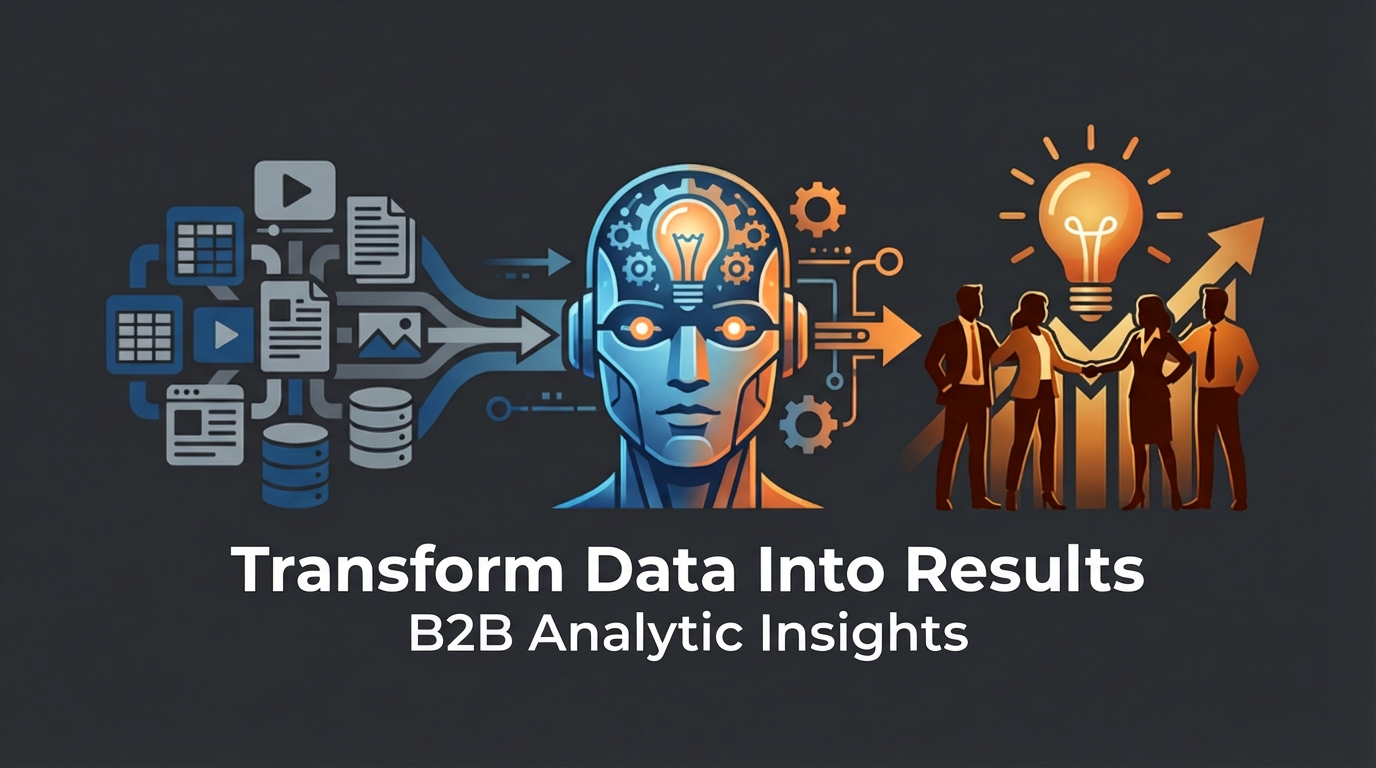

In today’s fast-paced and data-driven business landscape, having access to accurate and timely information is crucial for making informed decisions. This is where business intelligence comes into play. Business intelligence refers to the strategies and technologies used by organizations to analyze and interpret data in order to gain insights and make better business decisions. It involves collecting, organizing, and analyzing large amounts of data from various sources to identify trends, patterns, and opportunities.
The importance of business intelligence cannot be overstated. In a highly competitive market, businesses need to stay ahead of the curve and make data-driven decisions to remain relevant and successful. With the increasing volume and complexity of data available, organizations that can effectively harness this information have a significant advantage over their competitors. Business intelligence provides the tools and techniques necessary to transform raw data into actionable insights, enabling businesses to optimize their operations, improve customer satisfaction, and drive growth.
Understanding the Basics of Business Intelligence
Business intelligence is a broad term that encompasses various processes, technologies, and tools. At its core, it involves collecting and analyzing data to gain insights that can inform decision-making. Business intelligence can be broken down into three main components: data collection, data analysis, and data presentation.
Data collection involves gathering information from various sources such as databases, spreadsheets, social media platforms, and external sources. This data is then stored in a central repository known as a data warehouse or data mart. Data analysis involves applying statistical techniques and algorithms to the collected data to identify patterns, trends, and correlations. Finally, data presentation involves visualizing the analyzed data in a way that is easy to understand and interpret.
There are different types of business intelligence that organizations can utilize depending on their specific needs. Descriptive analytics focuses on understanding what has happened in the past by analyzing historical data. Diagnostic analytics aims to determine why certain events occurred by examining the relationships between different variables. Predictive analytics uses historical data to make predictions about future events. Finally, prescriptive analytics provides recommendations on the best course of action based on the insights gained from the analysis.
The Importance of Data in Business Intelligence
Data is the foundation of business intelligence. Without accurate and reliable data, organizations cannot make informed decisions or gain meaningful insights. Data in business intelligence can be categorized into two main types: structured and unstructured data.
Structured data refers to information that is organized and easily searchable, such as data stored in databases or spreadsheets. This type of data is typically quantitative and can be analyzed using traditional statistical methods. Unstructured data, on the other hand, refers to information that is not organized in a predefined manner, such as text documents, emails, social media posts, and multimedia content. This type of data is more difficult to analyze but can provide valuable insights when combined with structured data.
Data quality is another crucial aspect of business intelligence. Poor data quality can lead to inaccurate analysis and flawed decision-making. It is important for organizations to ensure that their data is accurate, complete, consistent, and up-to-date. This can be achieved through data cleansing and validation processes, as well as implementing data governance policies and procedures.
Building a Strong Business Intelligence Strategy
| Metrics | Description |
|---|---|
| Data Quality | The accuracy, completeness, and consistency of data used in BI |
| Key Performance Indicators (KPIs) | Measurable values that demonstrate how effectively a company is achieving its business objectives |
| Data Governance | The process of managing the availability, usability, integrity, and security of data used in BI |
| Data Visualization | The use of charts, graphs, and other visual aids to represent data in a way that is easy to understand and analyze |
| Data Warehousing | The process of collecting, storing, and managing data from various sources to support BI activities |
| Business Intelligence Tools | Software applications that enable users to analyze and visualize data to make informed business decisions |
| Data Analytics | The process of examining data to draw conclusions and insights that inform business decisions |
| Business Intelligence Strategy | A plan that outlines how a company will use BI to achieve its business objectives and gain a competitive advantage |
To effectively leverage business intelligence, organizations need to develop a strong strategy that aligns with their overall business goals and objectives. Building a business intelligence strategy involves several key steps.
The first step is to define the goals and objectives of the organization. This includes identifying the key performance indicators (KPIs) that will be used to measure success. Once the goals and objectives are established, the next step is to determine the data requirements needed to achieve these goals. This involves identifying the sources of data, as well as the tools and technologies that will be used for data collection and analysis.
The next step is to design a data architecture that supports the organization’s business intelligence needs. This includes determining the structure of the data warehouse or data mart, as well as the integration of different data sources. It is important to ensure that the data architecture is scalable, flexible, and able to handle large volumes of data.
Once the data architecture is in place, organizations can start implementing the necessary tools and technologies for data collection, analysis, and visualization. This may involve investing in business intelligence software, hiring data analysts or data scientists, and providing training to employees.
Finally, organizations need to continuously monitor and evaluate their business intelligence strategy to ensure its effectiveness. This involves regularly reviewing and updating the strategy based on changing business needs and technological advancements.
Leveraging Analytics to Drive Business Decisions
Analytics plays a crucial role in business intelligence by enabling organizations to gain insights from their data and make informed decisions. There are different types of analytics that can be used in business intelligence, depending on the specific goals and objectives of the organization.
Descriptive analytics focuses on understanding what has happened in the past by analyzing historical data. This type of analytics provides a snapshot of the current state of affairs and helps organizations identify trends and patterns. Diagnostic analytics aims to determine why certain events occurred by examining the relationships between different variables. This type of analytics helps organizations understand the root causes of problems or issues.
Predictive analytics uses historical data to make predictions about future events. By analyzing patterns and trends in the data, organizations can forecast future outcomes and make proactive decisions. Finally, prescriptive analytics provides recommendations on the best course of action based on the insights gained from the analysis. This type of analytics helps organizations optimize their operations and improve decision-making.
Analytics can drive business decisions in various ways. For example, by analyzing customer data, organizations can gain insights into customer behavior and preferences, allowing them to tailor their products or services to meet customer needs. By analyzing operational data, organizations can identify inefficiencies or bottlenecks in their processes and make improvements to increase productivity and reduce costs. By analyzing market data, organizations can identify trends and opportunities, enabling them to make strategic decisions and gain a competitive advantage.
The Role of Artificial Intelligence in Business Intelligence

Artificial intelligence (AI) is playing an increasingly important role in business intelligence. AI refers to the simulation of human intelligence in machines that are programmed to think and learn like humans. In the context of business intelligence, AI can be used to automate data analysis, uncover hidden patterns and insights, and make predictions or recommendations.
AI is used in business intelligence in various ways. One common application is natural language processing (NLP), which involves the ability of machines to understand and interpret human language. NLP can be used to analyze unstructured data such as text documents, emails, or social media posts, and extract meaningful insights from them.
Another application of AI in business intelligence is machine learning, which involves the ability of machines to learn from data and improve their performance over time. Machine learning algorithms can be used to analyze large volumes of data and identify patterns or trends that may not be apparent to humans. This can help organizations make more accurate predictions or recommendations based on the insights gained from the analysis.
AI can also be used in data visualization to create interactive and dynamic visualizations that allow users to explore and interact with the data in real-time. This can help users gain a deeper understanding of the data and make more informed decisions.
Enhancing Data Visualization for Better Insights
Data visualization plays a crucial role in business intelligence by presenting complex data in a visual format that is easy to understand and interpret. Effective data visualization allows users to quickly grasp key insights and trends, enabling them to make better decisions.
There are various types of data visualization tools that organizations can use to enhance their business intelligence efforts. These tools range from simple charts and graphs to more advanced interactive dashboards and infographics.
Charts and graphs are commonly used to represent numerical data in a visual format. They can be used to show trends over time, compare different variables, or display the distribution of data. Examples of charts and graphs include bar charts, line charts, pie charts, and scatter plots.
Dashboards are interactive visual displays that provide an overview of key metrics and KPIs. They allow users to drill down into the data and explore different dimensions or levels of detail. Dashboards can be customized to meet the specific needs of different users or departments within an organization.
Infographics are visual representations of information or data that combine text, images, and graphics to tell a story or convey a message. They are often used to present complex data or concepts in a simplified and engaging way.
When creating data visualizations, it is important to follow best practices to ensure that the information is effectively communicated. Some key best practices include keeping the design simple and uncluttered, using appropriate colors and fonts, providing clear labels and titles, and using visual cues such as size or color to highlight important information.
Integrating Business Intelligence with Other Systems
Integrating business intelligence with other systems is crucial for maximizing its effectiveness and ensuring that the insights gained from the analysis are actionable. By integrating business intelligence with other systems, organizations can streamline their processes, improve data accuracy and consistency, and enable real-time decision-making.
There are various systems that can be integrated with business intelligence. One common integration is with customer relationship management (CRM) systems. By integrating CRM data with business intelligence, organizations can gain insights into customer behavior, preferences, and buying patterns, allowing them to personalize their marketing efforts and improve customer satisfaction.
Another common integration is with enterprise resource planning (ERP) systems. By integrating ERP data with business intelligence, organizations can gain insights into their financial performance, supply chain operations, and inventory management, enabling them to optimize their processes and reduce costs.
Other systems that can be integrated with business intelligence include human resources management systems (HRMS), supply chain management systems (SCM), and e-commerce platforms. By integrating these systems, organizations can gain a holistic view of their operations and make more informed decisions.
The benefits of integrating business intelligence with other systems are numerous. It allows organizations to have a single source of truth for their data, eliminating the need for manual data entry or data reconciliation. It also enables real-time data updates, ensuring that decision-makers have access to the most up-to-date information. Finally, it improves data accuracy and consistency, reducing the risk of errors or inconsistencies in the analysis.
The Benefits of Real-Time Business Intelligence
Real-time business intelligence refers to the ability to access and analyze data in real-time or near real-time, allowing organizations to make immediate decisions based on the most up-to-date information. Real-time BI provides several benefits over traditional batch processing or periodic reporting.
One of the main benefits of real-time BI is the ability to respond quickly to changing market conditions or customer needs. By having access to real-time data, organizations can identify trends or patterns as they emerge and make proactive decisions to capitalize on opportunities or mitigate risks.
Real-time BI also enables organizations to monitor key metrics and KPIs in real-time, allowing them to identify and address issues or bottlenecks as they occur. This can help improve operational efficiency, reduce costs, and enhance customer satisfaction.
Another benefit of real-time BI is the ability to personalize marketing efforts and customer interactions. By analyzing real-time customer data, organizations can tailor their marketing messages or offers to individual customers, increasing the likelihood of conversion or upsell.
Real-time BI can also improve collaboration and communication within an organization. By providing employees with access to real-time data, organizations can foster a culture of data-driven decision-making and empower employees to take ownership of their performance.
Overcoming Common Challenges in Business Intelligence
While business intelligence offers numerous benefits, there are also common challenges that organizations may face when implementing and utilizing BI. These challenges can include data quality issues, lack of user adoption, and difficulty in integrating data from different sources.
Data quality is a critical challenge in business intelligence. Poor data quality can lead to inaccurate analysis and flawed decision-making. It is important for organizations to ensure that their data is accurate, complete, consistent, and up-to-date. This can be achieved through data cleansing and validation processes, as well as implementing data governance policies and procedures.
Lack of user adoption is another common challenge in business intelligence. Even with the best tools and technologies, if users do not understand or trust the data, they will not use it to make decisions. It is important for organizations to provide training and support to users, as well as communicate the value and benefits of business intelligence.
Integrating data from different sources can also be a challenge in business intelligence. Organizations often have data stored in different systems or formats, making it difficult to consolidate and analyze the data. It is important for organizations to have a robust data integration strategy in place, as well as the necessary tools and technologies to facilitate data integration.
To overcome these challenges, organizations can implement strategies such as establishing a data governance framework, providing training and support to users, investing in data integration tools, and continuously monitoring and evaluating the effectiveness of their business intelligence efforts.
The Future of Business Intelligence: Trends and Predictions
The field of business intelligence is constantly evolving, driven by advancements in technology and changing business needs. There are several emerging trends that are shaping the future of business intelligence.
One emerging trend is the increasing use of artificial intelligence and machine learning in business intelligence. AI and machine learning algorithms can analyze large volumes of data and identify patterns or trends that may not be apparent to humans. This can help organizations make more accurate predictions or recommendations based on the insights gained from the analysis.
Another trend is the growing importance of self-service business intelligence. Self-service BI allows users to access and analyze data without the need for IT or data analyst support. This empowers users to explore and visualize data on their own, enabling faster decision-making and reducing the burden on IT departments.
Real-time business intelligence is also becoming more prevalent. With the increasing availability of real-time data and the advancements in technology, organizations can access and analyze data in real-time or near real-time, allowing them to make immediate decisions based on the most up-to-date information.
The future of business intelligence also lies in the integration of different data sources and types. Organizations are increasingly collecting data from various sources such as social media, IoT devices, and external sources. By integrating these different data sources, organizations can gain a holistic view of their operations and make more informed decisions.
It is important for organizations to stay up-to-date with these trends and predictions in order to remain competitive and leverage the full potential of business intelligence.
In conclusion, business intelligence plays a crucial role in today’s business landscape. It enables organizations to collect, analyze, and interpret data in order to gain insights and make informed decisions. By leveraging analytics, organizations can identify trends, patterns, and opportunities that can drive business decisions. The integration of artificial intelligence and machine learning in business intelligence further enhances its capabilities by automating data analysis and uncovering hidden insights.
Data quality is a critical aspect of business intelligence, as poor data quality can lead to inaccurate and unreliable insights and decisions. When data is of low quality, it can result in incorrect analysis, misleading trends, and flawed predictions. This can have serious consequences for businesses, such as making incorrect strategic decisions, wasting resources on ineffective marketing campaigns, and losing customer trust. Therefore, ensuring high data quality is essential for businesses to make informed and reliable decisions based on accurate and trustworthy information.