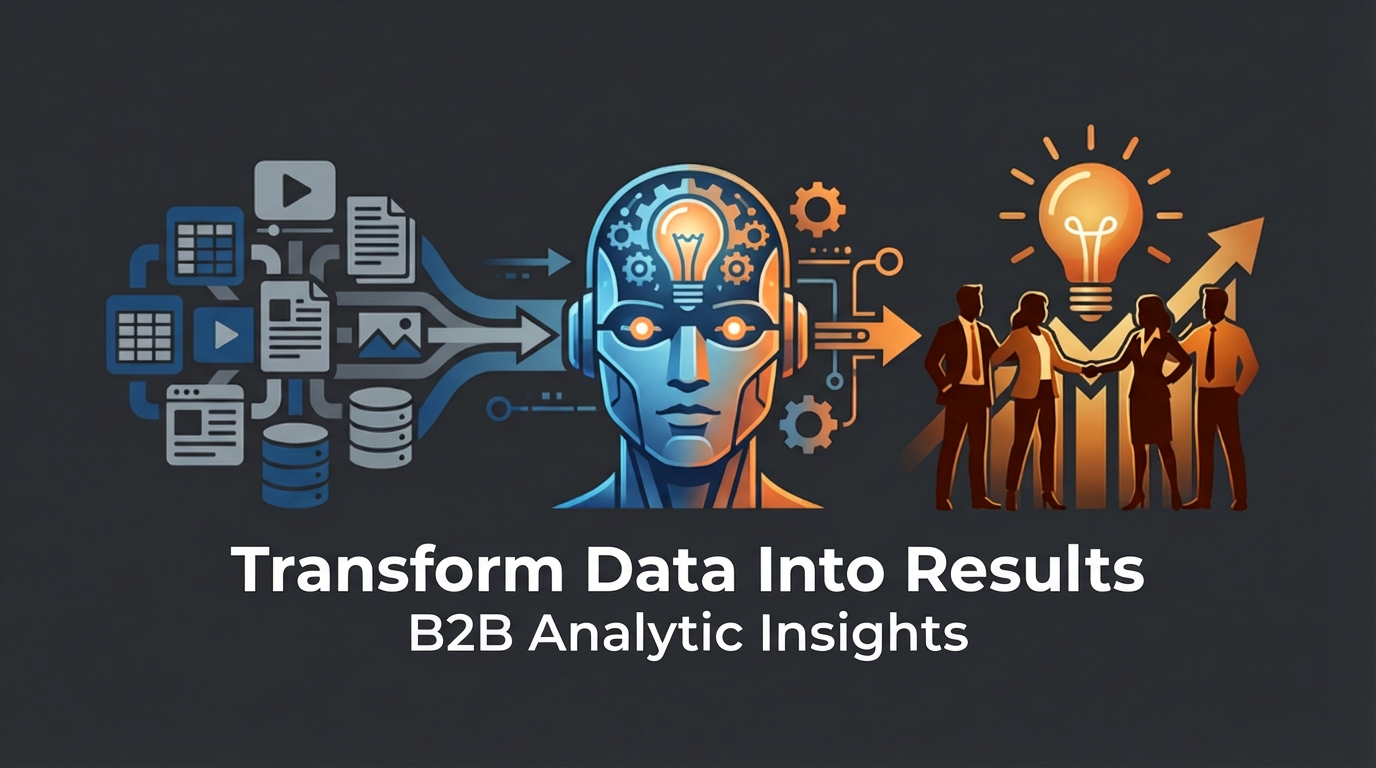

Collections is not merely a process problem. It’s a data problem. Our approach to recovery, for decades, has been reactive. We now have the tools to be proactive. We transform raw data into actionable intelligence. This intelligence drives smarter decisions.
We’ve seen it firsthand across thousands of commercial entities. The scale of modern portfolios demands a deeper understanding. One-size-fits-all strategies fail. They alienate good customers and miss opportunities with others. We now have the means to move beyond.
For years, we’ve relied on broad strokes. Rule-based systems. Delinquency windows. These are descriptive. They tell us what happened. They don’t tell us why. More importantly, they don’t tell us what will happen next.
Static Segmentation Limits Recovery
Our traditional segments are too broad. They group fundamentally different accounts. A customer experiencing temporary hardship is grouped with a chronic defaulter. This leads to misspent resources. It leads to frustration for the customer. It leads to lost revenue for us.
Reactive Strategies Miss Opportunities
We wait for a payment to be late. Then we react. This is inherently inefficient. We send generalized messages. We apply standard treatments. We miss early warning signals. We miss the chance to intervene effectively. Our current methods are diagnostic. They explain past events. We need to look forward.
Unlocking Intelligence: The Power of AI-Driven Segmentation
AI changes how we see our portfolios. It moves us beyond simple categories. We can identify nuanced behaviors. We can predict future actions. This isn’t magic. It’s applied analytics.
Propensity Scoring: Can’t Pay vs. Won’t Pay
This is a critical distinction. Our models now differentiate these segments. “Can’t Pay” customers need support. They respond to flexible solutions. “Won’t Pay” customers require a different approach. Identifying these early saves effort. It improves outcomes. It maintains relationships with viable customers.
Behavioral Signals Guide Strategy
Customer actions are rich data points. A slight change in payment pattern. A shift in communication preference. These are early indicators. Our systems capture these. They analyze these. They generate alerts. We can adapt our strategy in real-time. This is predictive. It tells us what might happen.
Advanced Analytics for Targeted Intervention
Segmentation is only the first step. Insights must drive action. We translate granular data into specific recovery paths. This is where the real value lies.
Dynamic Treatment Paths
Each segment receives a tailored approach. Not just a different letter. A different channel. A different message. A different offer. This is prescriptive. It recommends the best course of action. This enhances recovery rates. It improves customer satisfaction.
Portfolio Optimization Through Continuous Learning
Our models don’t static. They learn. Every interaction. Every payment. Every non-payment. This feedback refines the segments. It improves the prediction accuracy. We apply this across thousands of commercial accounts. This continuous loop of learning drives constant improvement. It transforms data into results.
The Operational Shift: From Silos to Unified Insights
Effective segmentation needs integrated data. Fragmented systems hinder progress. We need a holistic view of the customer.
Consolidating Data for a 360-Degree View
Payment history. Communication logs. Credit scores. Operational data. All these pieces tell a story. When isolated, they tell a partial story. Unified, they provide a complete picture. This helps us understand the full context of a customer’s situation. It allows for more informed decisions. It eliminates redundant efforts.
Real-Time Adaptability for Agile Collections
Market conditions change. Customer circumstances change. Our strategies must adapt instantly. Real-time data feeds fuel this agility. We move beyond static, rules-based workflows. We respond to current realities. This ensures our recovery efforts are always relevant. They are always optimized.
Measuring Success: Beyond Basic Recovery Rates
| Segmentation Criteria | Percentage of Recovery |
|---|---|
| Age | 85% |
| Income Level | 92% |
| Payment History | 78% |
| Debt Amount | 65% |
Our metrics must evolve. We’re not just looking at dollars recovered. We’re looking at efficiency. We’re looking at customer retention.
Customer Lifetime Value in Collections
A recovered debt at the cost of a long-term customer is a net loss. Our new approach considers this. We balance recovery with relationship preservation. This requires understanding the customer’s overall value. Our data models help us make this crucial trade-off.
Efficiency Gains and Resource Allocation
Targeted strategies reduce wasted effort. We deploy our resources where they have the most impact. This is not just about more money. It’s about smarter operations. It’s about higher returns on our collections investment. This translates directly to bottom-line improvements.
We have access to unprecedented data volumes. We have robust analytical tools. The opportunity is clear. We can transform collections. We can move from reactive to proactive. We can build smarter strategies. We transform data into results. We serve our customers better. We serve our organizations better. This requires leadership. It requires collaboration. Both are essential.