
The pulse of our economy is felt in the flow of credit. Loans, leases, lines of credit – they are not just financial instruments. They are conduits of commerce. They are indicators of health. They are signals. As practitioners, we don’t just process transactions. We interpret realities. We read the story behind the numbers. Our decades of experience have taught us this. Thousands of commercial entities have passed through our assessments. We have seen cycles. We have learned to listen.
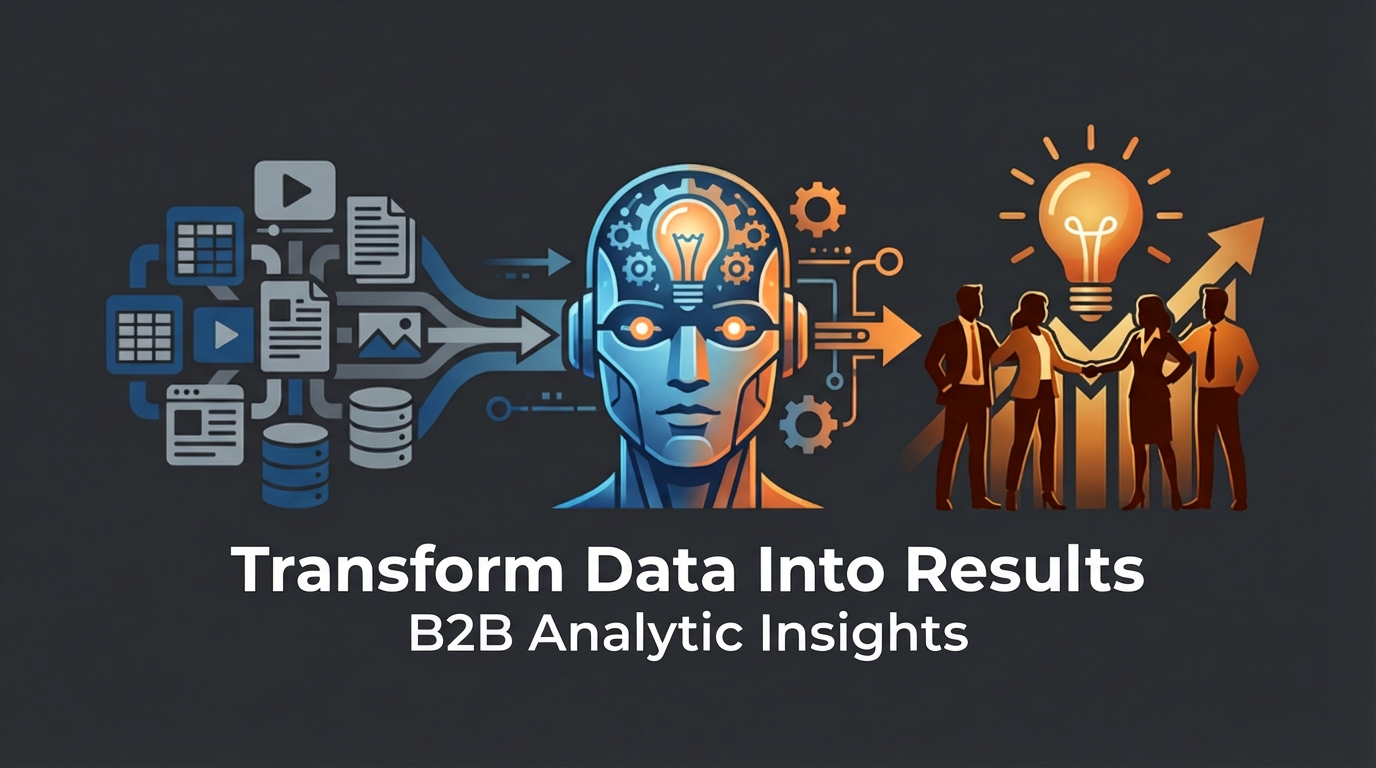
This is about recognizing patterns. It’s about understanding what the data is telling us, not just reporting. We need to move beyond simple descriptive analytics. We need diagnostic insights. We must employ predictive power. Ultimately, we aim for prescriptive action. This is how we truly add value. This is how we navigate complexity.
The Shifting Tides of Credit Access
Fed Governor Bowman’s remarks offer a glimpse. Regulators are open to reassessing frameworks. Burdensome rules can restrict credit. This isn’t an immediate policy shift. It’s a signal of potential future adjustments. It means we should watch for evolving regulatory landscapes.
The St. Louis Fed’s July 2024 data is telling. The tightening cycle that began in 2022 appears to be nearing its end. Banks typically tighten before a downturn. They ease during expansions. This suggests a potential shift towards more accommodating terms. We need to be prepared for this change.
Are We Seeing Easing Standards?
The data points to a lessening of the severe restrictions seen previously. This is a significant development. It means opportunities may be emerging. It also means we must be diligent. Easing standards require renewed focus on fundamental credit assessment.
Credit Lines: A Critical Warning System
Bank behavior around credit lines is paramount. The St. Louis Fed emphasizes this. Are banks reducing maximum credit lines? This is particularly true for large and middle-market borrowers. This is not a trivial observation. It signals underlying concerns held by lenders.
What Reduced Lines Imply
A reduced line of credit is more than a diminished borrowing capacity. It’s a banker’s quiet assessment. It suggests a re-evaluation of risk. It could be tied to sector specific concerns. It could be a broader economic sentiment. We must ask why.
The Evolving Landscape of Private Credit Risk
Private credit is no longer a separate island. Its growing entanglement with traditional banking is a key signal. The Seton Hall analysis from March 2026 is insightful. Deteriorating cash interest coverage is a red flag. Weaker covenants are another. An increase in amendment frequency bears watching.
These are not isolated metrics. They are interconnected symptoms. They paint a picture of stress within the private market. We must connect these dots. We must understand the linkages.
Cash Flow as the Ultimate Arbiter
Borrower cash flow is the bedrock of repayment. When cash interest coverage weakens, it’s a direct warning. The ability to service debt is compromised. This becomes exponentially more critical in a rising interest rate environment. We need to measure this capacity rigorously.
Covenant Health: An Early Warning System
Covenants are agreements. They are promises. They are built to protect lenders. When covenants are frequently amended or breached, it’s a sign of distress. It means the borrower is struggling to meet original terms. This is a clear signal of weakening financial health.
Bank Linkages: A Potential Transmission Channel
The increasing connection between private credit and the banking system is a crucial development. Non-bank lenders have grown significantly. This growth, while bringing capital, also introduces new complexities. As private credit faces stress, these linkages can transmit that stress into the traditional banking system. This is a systemic concern we cannot ignore.
Non-Bank Lending: A Growing Point of Attention
Commentary from 2026 highlights broader market concern. Rapid growth in non-bank lending, or private credit, is drawing scrutiny. The worry is about potential stress transmission. If credit quality deteriorates in this sector, the impact could ripple. We are all interconnected.
The Scale of Private Credit
Private credit has continued its expansion. JPMorgan’s March 2026 commentary confirms this. It offers attractive long-term returns. But we must remain discerning. Lower credit quality instruments are more vulnerable to economic stress. We must differentiate performance. We must understand the underlying risk.
Deciphering Signals in Diagnostic and Predictive Analytics
Our job is to go beyond the surface. We need to understand the “why” behind the numbers. This is where diagnostic analytics excel. We explore the root causes of trends.
Why Are Payments Slowing?
Why are we seeing a slight increase in days sales outstanding for a particular obligor? Is it a single customer issue? Is it a sector-wide problem? Or is it a sign of broader economic slowdown affecting purchasing power? Diagnostic analytics help us find these answers. We drill down. We dissect the data.
Predictive Power: Anticipating Tomorrow’s Challenges
Predictive analytics allow us to forecast. We can identify potential future defaults. We can model repayment probabilities. This is not about crystal balls. It’s about robust statistical modeling. It’s about learning from historical patterns.
The AI Advantage: Amplifying Our Capabilities
Artificial intelligence is not a replacement. It is an amplifier. AI driven analytics can process vast amounts of data. It can identify subtle anomalies we might miss. It can uncover complex correlations. This allows us to build more accurate predictive models. We can test more scenarios. We can refine our risk assessments.
Prescriptive Action: Turning Insight into Results
The ultimate goal is action. It’s about making informed decisions. It’s about guiding our organizations. This is the realm of prescriptive analytics.
Tailoring Credit Strategies
Based on our analysis, what is the optimal credit limit for a new applicant? Should we adjust terms for existing clients? Should we implement stricter monitoring for a specific portfolio segment? Prescriptive analytics provide data driven recommendations. They present clear courses of action.
Dynamic Portfolio Management
We must actively manage our portfolios. This means rebalancing risk. It means optimizing returns. It means proactively addressing emerging threats. Our ability to read the signals allows for dynamic adjustments. We don’t wait for a crisis. We anticipate and mitigate.
Collaboration: The Cornerstone of Effective Decisioning
Leading is vital. But so is collaboration. Our insights inform strategic decisions. They guide operational teams. They support relationship managers. We work together. We share knowledge. This partnership is essential for navigating complex credit environments.
We are not just processing credit applications. We are shaping economic activity. We are facilitating growth. We are managing risk. Our role demands continuous learning. It demands intellectual curiosity. It demands a deep understanding of the financial ecosystem. The signals are always there. Our task is to read them. And to act decisively.