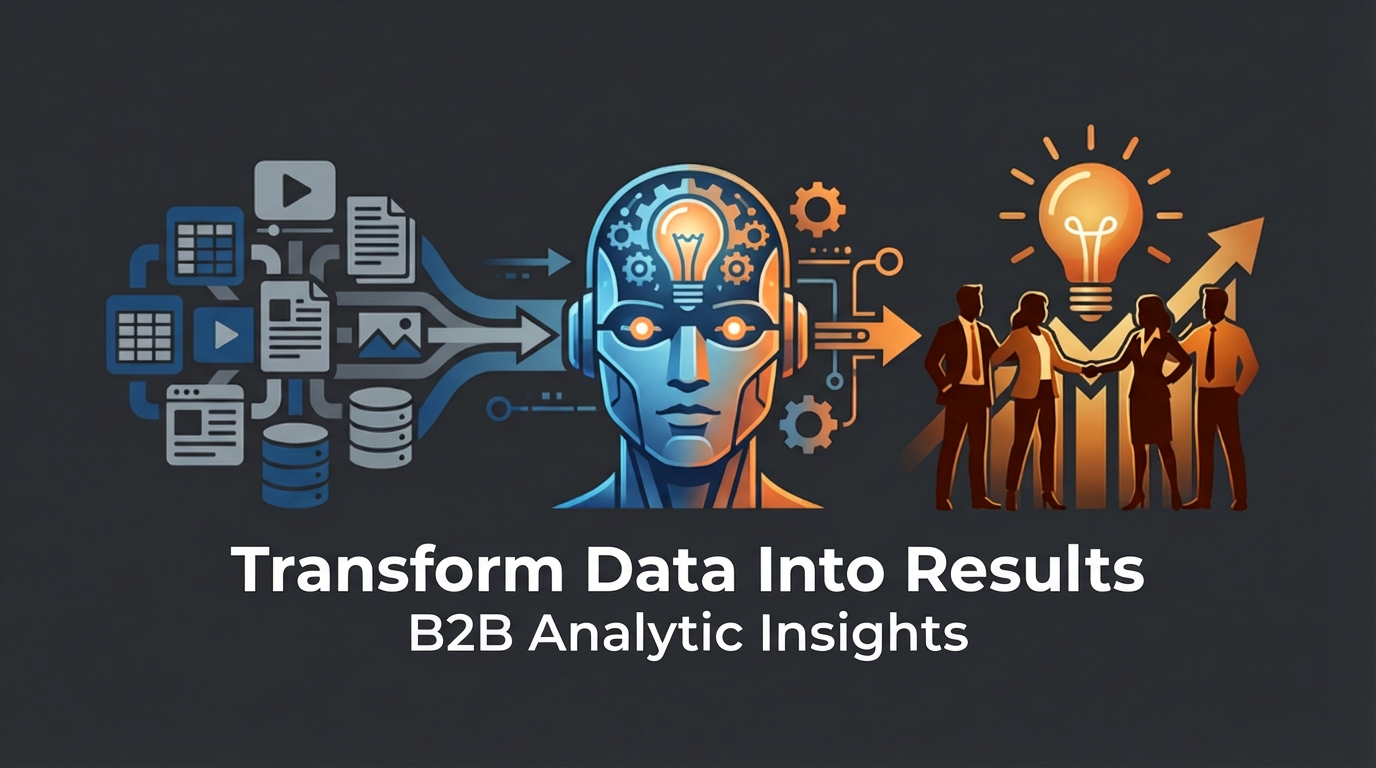

Your financial data sits dormant. It’s a powerful asset. You’re not using it fully. This is true for commercial entities. It’s true for individual borrowers. We assess risk. We make credit decisions. We rely on established paths. We often overlook what’s already within our grasp. Your own data is your greatest underused credit asset. Several decades in this field teaches you this. We look at thousands of commercial entities. We see patterns. We see missed opportunities.
Let’s talk about what this means. It means shifting our perspective. It means seeing data not just as a record. It means seeing it as a source of insight. It means seeing it as a foundation for stronger credit decisions.
We’ve built our systems on traditional credit bureaus. They serve a purpose. They offer a snapshot. They track payment history. They report public records. This is descriptive analysis. It tells us what happened.
But this data is often incomplete. It’s historical. It doesn’t always reflect current reality. Many good borrowers are left out. They have no credit file. Or their file is thin. This is a problem for credit access. It’s a problem for lenders.
The “Credit Invisible”
Think about recent graduates. Think about immigrants. Think about those who prefer cash. They may be excellent payers. They may manage their money well. Yet, they have no traditional credit score. We can’t assess them. We wrongly deem them risky.
The Lagging Nature of Scores
Credit scores are backward-looking. They don’t predict future behavior well enough on their own. A perfect score today doesn’t guarantee future repayment. We need more. We need to understand the present. We need to anticipate the future.
Unlocking Your Internal Data: The Practitioner’s View
We manage thousands of commercial entities. We see their operational data. We see their financial transactions. This data is rich. It’s often siloed. It’s rarely used for credit assessment.
This is where decision intelligence comes in. We ask better questions. We look for the right metrics. We transform raw data into actionable insights.
Descriptive Analysis: Beyond the Score
Descriptive analysis is our starting point. It tells us what happened with sales. It shows cash flow patterns. It logs payment cycles. But we need to go deeper.
Diagnostic Analysis: Why Did It Happen?
Diagnostic analysis digs into the ‘why’. Why did cash flow dip last quarter? Was it a supply chain issue? Was it a customer payment delay? Understanding the cause informs our credit outlook.
Predictive Analysis: What Will Happen?
This is where your internal data truly shines. We can build models. These models forecast repayment likelihood. They use your own operating data. They predict future cash flow.
Prescriptive Analysis: What Should We Do?
Prescriptive analysis moves us to action. It suggests optimal credit terms. It identifies potential risks early. It guides proactive engagement.
Supply Chain Intelligence: A Critical Underused Asset

The supply chain is the lifeblood of commerce. For thousands of commercial entities, it’s complex. It’s global. It’s often fragile.
We look at payment terms. We look at supplier relationships. We look at inventory levels. This is all data. This data speaks to a company’s health. It speaks to its resilience.
Mapping the Ecosystem
Understanding a company’s supply chain is vital. Who are their key suppliers? What are their payment histories? Are there single points of failure? This knowledge is predictive.
Cash Flow Dynamics
Late payments to suppliers ripple through the chain. Early payments can signal strength. Monitoring these flows provides an early warning system. It’s diagnostic. It’s predictive.
Inventory as a Barometer
Excess inventory can tie up cash. Insufficient inventory can halt production. Tracking inventory levels offers insight into operational efficiency. It’s descriptive.
AI-Driven Analytics: Making Your Data Work Harder

AI isn’t magic. It’s a tool. It helps us process vast amounts of data. It finds patterns humans might miss. We’re using it strategically.
We’re not talking about abstract models. We’re talking about real results. For thousands of commercial entities, this translates to better credit decisions.
Feature Engineering from Raw Data
AI helps us extract relevant features. We can turn raw transaction data into meaningful indicators. This is not about complex algorithms for their own sake. It’s about clarity.
Identifying Hidden Correlations
AI can find links between seemingly unrelated data points. It might link weather patterns to agricultural commodity prices. It might link social media sentiment to consumer spending. This informs credit risk.
Automating Risk Assessment
For some aspects of credit assessment, AI can automate processes. This frees up our analysts. They can focus on complex cases. They can engage in deeper analysis. This leads to better decisions.
Data Assetization: Treating Data as a Credit-Relevant Asset
| Data Type | Metric |
|---|---|
| Credit Score | 750 |
| Payment History | 98% |
| Debt-to-Income Ratio | 25% |
| Number of Accounts | 10 |
The concept of “data assetization” is gaining traction. It’s not just for consumers. It extends to businesses. We are beginning to see data as a valuable asset. It has credit implications.
Quantifying Data Value
How do we quantify the value of internal data? It’s about its ability to predict risk. It’s about its ability to inform decisions. It’s about its ability to reduce losses.
Building Data-Centric Credit Programs
Companies that manage their data well are more creditworthy. They understand their business better. They can articulate their financial health more clearly. This is a competitive advantage.
Empowering Borrowers with Their Own Data
For consumers, this means control. They can permission their data. They can share it to gain access. This is transformative. It expands credit access for many.
The Role of Privacy and Transparency
This all hinges on trust. Privacy is paramount. Transparency in how data is used is essential. Regulators are watching. Consumers are paying attention. We must get this right.
Your Next Steps: Activating Your Underused Asset
You have data. You’re generating it daily. Don’t let it sit idle. It’s a powerful credit asset waiting to be unlocked.
Start with the Job to Be Done
What’s your most pressing credit decision? What risk are you trying to mitigate? Frame your data analysis around that immediate need.
Explore Diagnostic Capabilities
Look at your internal data. Can you explain past credit successes or failures? What patterns emerge from your cash flow? This is a good starting point.
Invest in Predictive Capacity
Can you forecast repayment behavior? Can you identify at-risk accounts before they become problems? Your own historical data is the best predictor.
Embrace Collaboration
This isn’t about going it alone. It’s about leading with insight. It’s about collaborating with your teams. It’s about partnering with technology providers.
Demand Clarity, Not Jargon
We need clear, actionable insights. We need data that serves the decision. We need to transform data into tangible results.
Your own data is your greatest underused credit asset. Let’s start using it. Let’s build stronger, more informed credit decisions.