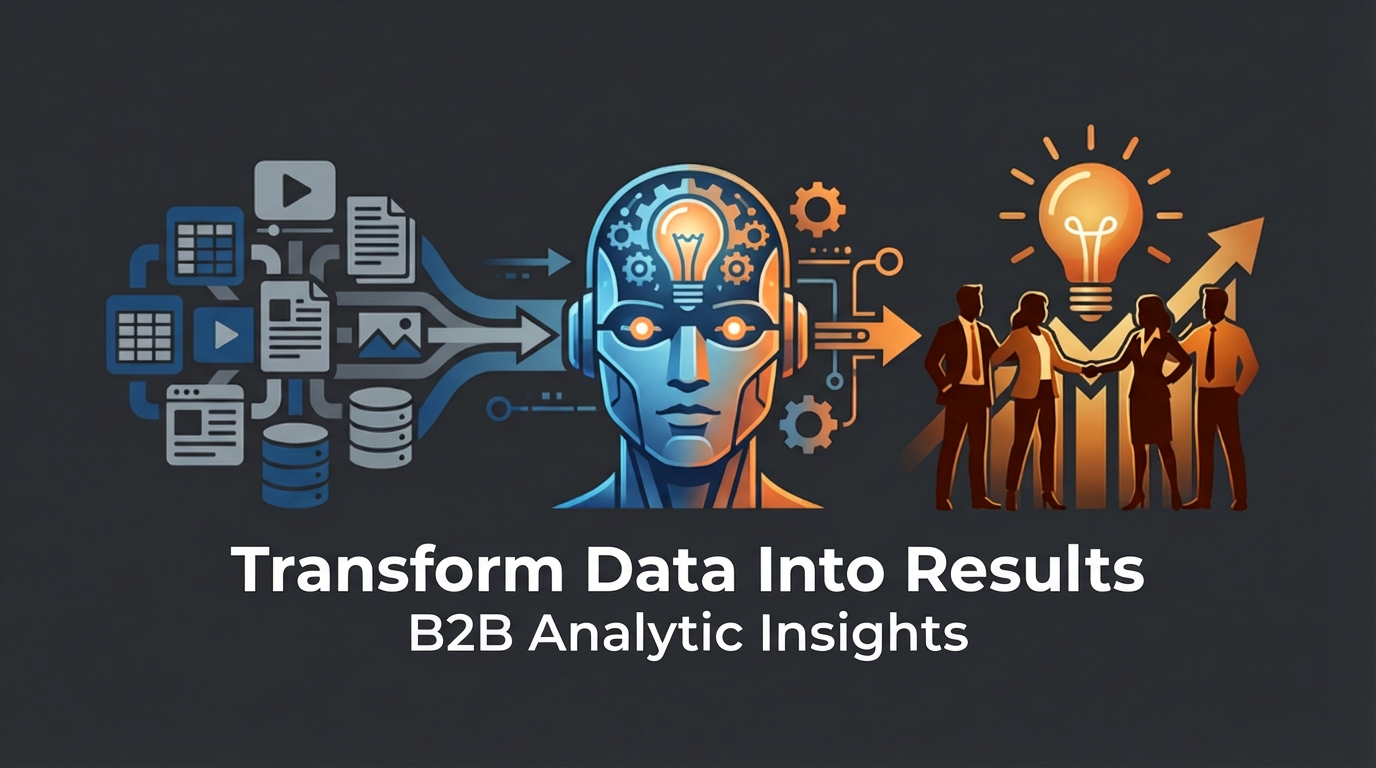

Navigating the Evolving Landscape: Analytics Careers in an AI-First World
The traditional image of the analytics professional, hunched over spreadsheets, meticulously cleaning data, is rapidly becoming a relic of the past. For over 25 years, I’ve seen the analytics function evolve from nascent reporting to sophisticated predictive modeling. Today, we stand at a pivotal juncture, an inflection point where Artificial Intelligence is not merely augmenting our capabilities, but fundamentally reshaping the very fabric of analytics career paths. This isn’t just about adopting new tools; it’s about a complete analytics transformation that demands a re-evaluation of skills, roles, and the strategic value we bring to the enterprise. In sectors like credit risk, financial analysis, and enterprise operations, the impact of AI is particularly profound, demanding a new breed of analytics leader capable of bridging technical prowess with acute business acumen. The challenge is clear: how do we leverage AI to accelerate time-to-insight, enhance data-driven decision making, and foster a culture of continuous innovation, all while ensuring our human talent thrives and advances?
For those interested in exploring the evolving landscape of analytics careers in the context of AI-driven transformation, a related article can provide valuable insights and guidance. You can read more about the various opportunities and challenges in this field by visiting B2B Analytic Insights, where industry experts discuss the skills needed to thrive in an increasingly automated environment.
The AI Imperative: Reshaping Entry-Level and Core Analytics Functions

The notion that AI will eliminate all entry-level analytics work is a persistent, yet inaccurate, oversimplification. What we are witnessing is a reshaping, not an eradication. Organizations that fail to understand this nuanced shift risk losing out on future data leaders. Instead of eliminating junior data roles, forward-thinking companies are recognizing the critical need to adapt their responsibilities. TechTarget rightly emphasizes that these roles should be shifted towards AI auditing, oversight, and management, fostering the next generation of strategic data professionals [1]. This transition is paramount for building robust, ethical, and effective AI deployments within a B2B context.
The Shift from Manual Execution to AI Orchestration
Historically, a significant portion of an analyst’s time was consumed by manual data preparation, cleaning, and basic reporting. SQL queries, Excel pivot tables, and rudimentary BI dashboards formed the bedrock of daily tasks. Today, AI, particularly generative AI and advanced machine learning models, is automating much of this foundational work. The Wire succinctly captures this evolution, noting that AI is significantly reducing manual data preparation, freeing analysts to focus on higher-value activities [6].
This doesn’t mean the work disappears; it simply shifts up the value chain. Analysts are no longer just “number-crunchers” but rather insight translators. Their primary responsibility now involves validating AI outputs, interpreting complex model results, explaining these insights to non-technical stakeholders, and ultimately, supporting strategic business decisions [19]. This requires a deep understanding of the business problem, the data, and the limitations of the AI model itself. For instance, in a credit risk scenario, an AI model might flag a new loan applicant as high-risk. The analyst’s role isn’t to recalculate the risk score but to understand why the AI made that determination, assess its implications for the business, and communicate that assessment to the underwriting team, perhaps recommending further investigation or a specific mitigation strategy.
Developing Core Skills for the AI-Augmented Analyst
The demands on an analyst’s toolkit are also expanding dramatically. The days of relying solely on one or two analytical tools are rapidly fading. Tool orchestration is emerging as a core competency [6]. Analysts are increasingly expected to seamlessly combine SQL for data extraction and manipulation, Python for advanced statistical analysis and model prototyping, BI dashboards for interactive data visualization, and AI copilots for accelerated insight generation and code assistance [19]. This integrated approach allows for a far more agile and comprehensive analytical workflow.
Consider an analyst working in enterprise operations, tasked with optimizing supply chain logistics. They might use SQL to pull transactional data from an ERP system, employ Python to develop a predictive model for demand forecasting, visualize the results in a Tableau dashboard, and then leverage an AI copilot to quickly prototype scenario analyses or generate explanations for unexpected anomalies. This holistic approach significantly reduces time-to-insight, enabling faster and more informed operational adjustments that directly impact the bottom line. The ability to fluidly navigate this ecosystem of tools, understanding the strengths and weaknesses of each, is a defining characteristic of the successful analytics professional in an AI-driven world.
Specialized Roles: New Avenues for Analytics Professionals

The proliferation of AI is not only redefining existing roles but also creating entirely new specializations within the analytics domain. The traditional generalist analyst role, while still valuable for foundational understanding, is giving way to a landscape of highly focused experts. Career paths are demonstrably expanding, offering diverse avenues for growth and impact [2].
The Rise of Analytics Engineering and MLOps
Two of the most significant emerging roles are analytics engineer and MLOps specialist. Analytics engineers, in essence, bridge the gap between data engineering and data analysis. They focus on building robust, scalable, and well-governed data pipelines and data models that power analytics and machine learning applications. Their expertise ensures data quality, consistency, and accessibility, which are foundational for effective AI deployments. In financial analysis, for example, an analytics engineer might be responsible for designing and maintaining the data pipelines that feed a fraud detection model, ensuring the model always has access to clean, real-time transaction data.
MLOps specialists, on the other hand, are the operational backbone of machine learning initiatives. They are responsible for the entire lifecycle of machine learning models – from development and deployment to monitoring, maintenance, and retraining. This is crucial for maintaining model performance, especially in dynamic environments where data patterns can shift rapidly, such as in credit scoring or risk assessment. An MLOps specialist ensures that a credit default prediction model remains accurate and unbiased over time, proactively identifying and addressing model drift or data quality issues. Both roles demand a blend of technical depth, operational excellence, and an understanding of the business implications of their work.
Data Storytelling and AI Analysis: Unlocking Business Value
Beyond the technical infrastructure, the ability to translate complex data and AI insights into actionable business narratives is becoming increasingly critical. This is where the data storyteller steps in. This role focuses on crafting compelling narratives from data, using visualizations, insights, and business context to influence stakeholders and drive decision-making. The ability to communicate the “so what” of the analysis is paramount. Imagine a data storyteller presenting findings from a customer churn prediction model to the executive team in a telecommunications company. Their job isn’t just to show the churn rate, but to explain why customers are churning, what the AI model predicts, and what specific, revenue-generating actions the business can take to mitigate it.
The emergence of the AI analyst is another significant development. These professionals are specifically tasked with understanding, evaluating, and applying AI-generated insights. This involves more than just running a report; it requires deep expertise in prompt engineering, model interpretability, bias detection, and performance monitoring. In a B2B context, an AI analyst might be responsible for evaluating the efficacy of a natural language processing model used for contract review in legal operations, identifying areas for improvement, and ensuring its outputs align with regulatory compliance. These specialized roles collectively contribute to a more sophisticated and effective utilization of AI within the enterprise, ensuring that the technology delivers tangible ROI.
The Enduring Value of Human Judgment: Beyond Automation
While AI excels at pattern recognition, complex calculations, and repetitive tasks, it fundamentally lacks the nuanced understanding, ethical reasoning, and creative problem-solving capabilities inherent in human intelligence. This means that human judgment is not just remaining valuable; it’s becoming more valuable in an AI-driven world [3]. The ability to contextualize insights, anticipate unseen risks, and navigate ambiguous situations are uniquely human strengths that no algorithm can fully replicate.
Business Acumen and Problem Framing: The New North Star
Databricks and Tricentis both powerfully emphasize that skills like business context, curiosity, communication, and problem framing are now central because AI handles more routine analysis [3, 10]. This shift elevates the analytics professional from a data processor to a strategic partner. Instead of simply answering predefined questions, today’s analysts are expected to help frame the right questions, often anticipating challenges and opportunities before they become fully apparent.
Consider an analyst working in financial analysis, tasked with assessing the potential impact of a new market regulation. While AI can quickly process vast amounts of regulatory text and identify relevant clauses, it cannot intuitively understand the intricate web of socio-economic factors, competitive landscapes, and political implications that a human analyst can. The analyst’s business acumen allows them to frame the problem, interpret the AI’s output in a strategic context, and recommend appropriate actions, effectively mitigating risk or capitalizing on new market opportunities. This requires a profound understanding of the business model, the industry, and the broader economic environment.
The Critical Role of Communication and Interpretation
The output of even the most sophisticated AI model is only as valuable as its interpretability and the ability to communicate its implications effectively. This is where the human element becomes indispensable. Analysts are increasingly serving as interpreters, translating complex statistical outputs and machine learning predictions into clear, concise, and actionable recommendations for business leaders. This requires strong communication skills, storytelling abilities, and the capacity to tailor messages to different audiences, from technical teams to the C-suite.
In enterprise operations, for instance, an AI might predict a significant bottleneck in a production line. The analyst’s role is not just to report this prediction but to explain the underlying drivers, articulate the potential impact on production schedules and costs, and propose specific mitigation strategies to the operations manager. This requires an ability to simplify complex information without losing its essence, addressing potential concerns, and building confidence in the proposed solutions. The successful analyst understands that insights, however brilliant, are useless if they cannot be understood and acted upon by those who hold the power to implement change.
As professionals navigate the evolving landscape of data analytics, understanding the implications of AI-driven transformation becomes crucial. A related article that delves deeper into this topic is available at B2B Analytic Insights, where you can explore various strategies for adapting your career path in response to technological advancements. This resource offers valuable insights that can help you stay ahead in the rapidly changing analytics field.
Career Advancement: Assessing and Refining AI-Generated Insights
| Career Path | Key Skills | AI Impact | Growth Opportunities | Recommended Learning Focus |
|---|---|---|---|---|
| Data Analyst | Data visualization, SQL, statistics | Automation of routine data processing | Shift towards advanced analytics and AI tool management | Machine learning basics, AI-powered analytics platforms |
| Data Scientist | Machine learning, programming (Python/R), data modeling | Increased use of AI for predictive modeling and automation | Specialization in AI algorithms and deep learning | Deep learning, AI ethics, neural networks |
| AI/ML Engineer | AI frameworks, software engineering, model deployment | Core role in developing AI-driven analytics solutions | Leadership in AI innovation and system integration | Advanced AI architectures, cloud AI services, MLOps |
| Business Intelligence Analyst | Data warehousing, dashboarding, business acumen | Integration of AI for enhanced decision support | Focus on AI-augmented business insights and strategy | AI-driven BI tools, data storytelling, strategic analytics |
| Analytics Manager | Project management, team leadership, analytics strategy | Overseeing AI adoption and transformation initiatives | Driving AI culture and cross-functional collaboration | Change management, AI governance, advanced analytics |
The traditional path to advancement in analytics often involved mastering more complex manual tasks, developing more sophisticated models from scratch, or managing larger data sets. While technical proficiency remains crucial, the vectors for career growth are demonstrably shifting. Northeastern astutely observes that career growth in analytics will now require less manual execution and more ability to assess, refine, and apply AI-generated insights [7]. This is a fundamental change in how expertise is measured and valued.
From Execution to Evaluation: A New Paradigm for Growth
Instead of spending weeks meticulously building a predictive model, an advanced analytics professional might now be tasked with evaluating several AI-generated model proposals, assessing their performance against business metrics, identifying potential biases, and refining their parameters for optimal real-world application. This requires a deeper, more conceptual understanding of AI methodologies, their strengths, and their inherent limitations. It’s about being a critical evaluator and strategic orchestrator, rather than just an expert builder.
For example, in credit risk, an experienced analyst might be responsible for overseeing the deployment of a new AI-driven credit scoring system. This involves not only understanding the model’s algorithms but also designing rigorous validation frameworks, continuously monitoring its performance against actual loan defaults, and making informed decisions about recalibration or alternative models. Their advancement is tied to their ability to ensure the AI system consistently delivers accurate, fair, and compliant credit decisions, thereby protecting the institution from financial losses and regulatory penalties.
Fostering an AI-Fluent Workforce: A Strategic Imperative
The shift towards assessing and refining AI output means that AI fluency is no longer a niche skill but an expected hiring requirement across the board [25]. Recent reporting indicates that AI skills are widely viewed as a strong advantage or even a prerequisite for many analytics roles, with the added benefit of faster promotion potential for those who can leverage AI effectively [25]. This is not just about knowing how to use specific AI tools, but understanding the underlying principles of machine learning, natural language processing, and other AI disciplines.
Organizations that prioritize AI fluency in their analytics teams will undoubtedly gain a competitive edge. This involves continuous learning, upskilling, and creating environments where experimentation with AI tools is encouraged. For analytics leaders, this means designing robust training programs, providing access to relevant AI platforms, and fostering a culture of curiosity and adaptability. The goal is to build a workforce that is not intimidated by AI, but empowered by it, capable of harnessing its potential to drive innovation and strategic advantage. The investment in human capital, specifically in AI fluency, directly translates into enhanced data-driven decision-making and a more resilient, future-ready enterprise.
As professionals navigate the evolving landscape of analytics careers, understanding the broader implications of AI-driven transformation becomes essential. A related article that delves into this topic is “The Power of Analytics: Transforming Data into Meaningful Actions,” which explores how organizations can leverage analytics to drive impactful decision-making. By examining the intersection of data and actionable insights, this resource provides valuable perspectives for those looking to adapt their skills in an increasingly automated world. You can read more about it in the article here.
Adapting to Broader Labor Market Shifts: The Strategic Imperative for Analytics Professionals
The transformation of analytics career paths is not occurring in isolation. It is intrinsically linked to broader labor market shifts, profoundly influenced by the relentless march of automation and AI across industries. Reports from CNN and Forbes highlight major job transitions, reinforcing the escalating demand for analytics professionals who can adapt into adjacent roles and navigate this evolving landscape [23, 21]. This macro-level trend underscores the strategic importance of proactive career management and organizational foresight in the analytics domain.
Navigating Disruptions and Seizing Opportunities
For individuals, the recognition that routine tasks are being automated by AI presents both a challenge and an immense opportunity. The challenge lies in ensuring one’s skillset remains relevant and valuable. The opportunity, however, is far greater: to pivot towards roles that demand uniquely human capabilities – critical thinking, strategic problem-solving, emotional intelligence, and complex communication. Analytics professionals, by their very nature, are often adept at problem-solving and logical reasoning. The key is to channel these existing strengths into new, AI-augmented contexts. This might mean an analytics professional in enterprise operations, who previously focused on report generation, now transitioning to an AI auditor role, ensuring the fairness and accuracy of automated decision-making systems.
For organizations, this broader labor market shift necessitates a strategic approach to talent development and retention. Investing in reskilling and upskilling programs for existing analytics teams is not merely a cost; it’s an imperative for maintaining a competitive edge. This transformation is about preserving institutional knowledge while injecting new capabilities. It’s about recognizing that the greatest asset is not just the data or the AI algorithms, but the human intellect that can effectively leverage both to create strategic value.
Strategic Recommendations for Future-Proofing Analytics Careers
To navigate this dynamic environment successfully, both individual analytics professionals and the organizations they serve must adopt a forward-looking strategy.
First, for individuals, prioritize continuous learning in AI and its applications. This isn’t about becoming an AI researcher, but about understanding how AI tools work, their limitations, and how to effectively integrate them into existing analytical workflows. Focus on AI fluency, prompt engineering, and understanding model interpretability frameworks.
Second, cultivate strong business acumen and communication skills. As AI handles more of the “how,” the “why” and “what now” become paramount. Develop the ability to frame business problems, translate technical insights into actionable strategies, and influence stakeholders across various organizational levels. Your value will increasingly be measured by your ability to drive strategic impact, not just your technical prowess.
Third, embrace cross-functional collaboration and tool orchestration. The future of analytics is inherently collaborative, integrating data engineering, data science, and business units. Become proficient in combining diverse tools – SQL, Python, BI platforms, and AI copilots – into seamless workflows to accelerate time-to-insight.
For organizations, the path to a future-proof analytics function involves several key strategic recommendations. Invest heavily in training and development programs that focus on AI fluency, ethical AI considerations, and advanced analytical techniques for your existing workforce. This protects institutional knowledge and fosters loyalty. Re-evaluate and redefine job descriptions for analytics roles to reflect the evolving demands of an AI-driven environment, emphasizing skills like AI oversight, strategic thinking, and cross-functional collaboration.
Crucially, foster a culture of experimentation and psychological safety around AI. Encourage your analytics teams to explore new AI tools, understand their limitations, and identify novel applications. Recognize that effective analytics transformation requires both cutting-edge technology and human expertise. By empowering your analytics professionals to become strategic partners in the AI journey, not just users of AI tools, you will ensure your enterprise remains agile, innovative, and data-driven in the face of unprecedented change. The future of analytics is bright for those who are prepared to adapt, learn, and lead.