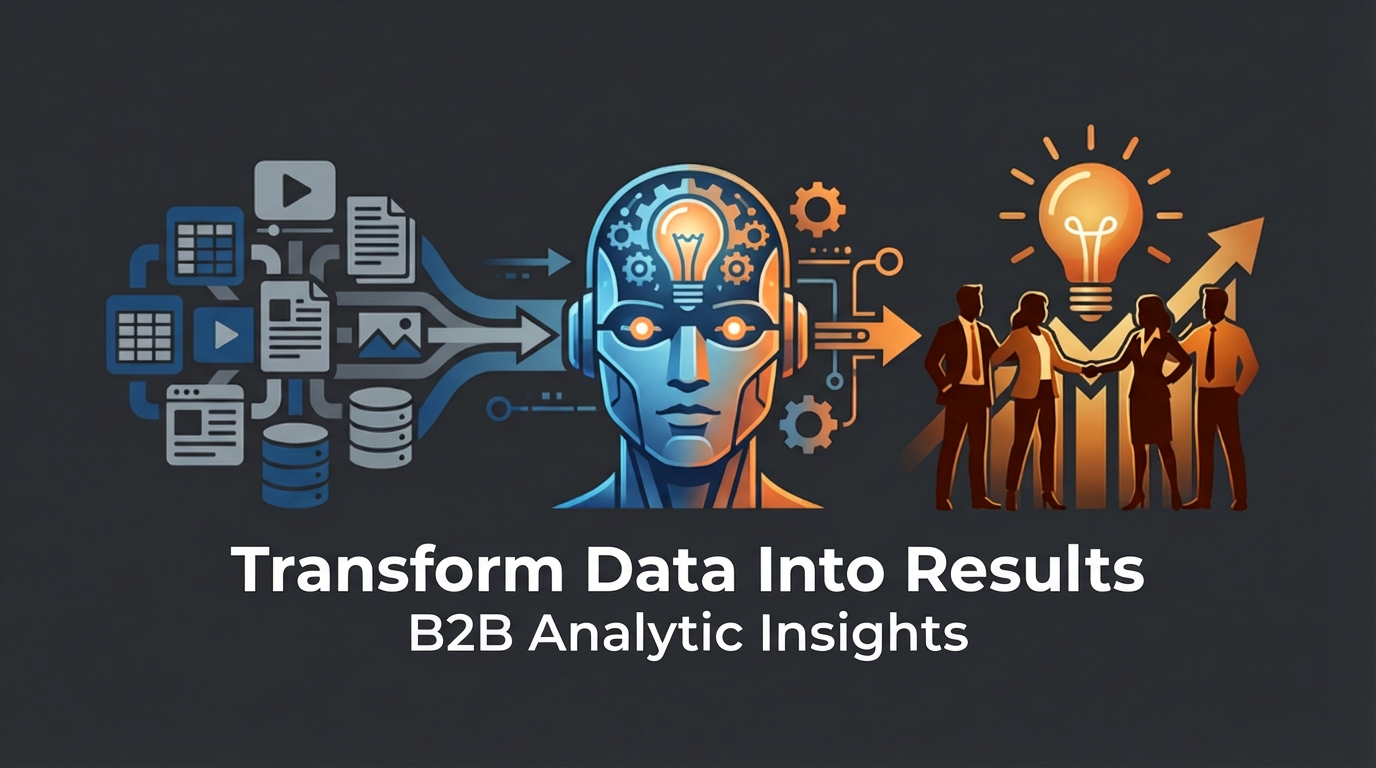

Big data has transformed commercial banking operations, enabling banks to analyze vast amounts of structured and unstructured data from diverse sources, including customer transactions, market trends, and economic indicators. This capability allows banks to gain valuable insights, make informed decisions, understand customer behavior, identify potential risks, and improve operational efficiency. The utilization of big data analytics enables commercial banks to personalize their services and products based on customer preferences and behavior, resulting in increased customer satisfaction and loyalty.
Additionally, big data enhances fraud detection capabilities, leading to improved security and risk management. Big data has also facilitated the development of innovative products and services in commercial banking. For instance, banks can create personalized financial planning tools and more accurate credit scoring models using big data analytics.
These innovations allow banks to offer loans to a broader range of customers while minimizing default risks. The power of big data in commercial banking operations lies in its ability to drive data-driven decision-making, enhance customer experiences, mitigate risks effectively, and foster innovation. By leveraging big data, banks can create value for both themselves and their customers, adapting to evolving financial needs and market conditions.
Key Takeaways
- Big data has the power to revolutionize commercial banking operations by providing valuable insights and improving efficiency.
- Primary commercial banking data can be harnessed for analytics to gain a deeper understanding of customer behavior and market trends.
- Improving data quality is crucial for enhancing operations efficiency and making informed business decisions in commercial banking.
- Leveraging big data analytics can help commercial banks make better strategic decisions and improve risk management.
- Data quality plays a significant role in revolutionizing commercial banking operations by enabling better decision-making and customer service.
Harnessing Primary Commercial Banking Data for Analytics
Unlocking Customer Insights
One way commercial banks can harness primary data for analytics is by using customer transaction records to identify spending patterns and preferences. By analyzing this data, banks can tailor their product offerings and marketing strategies to better meet the needs of their customers. Additionally, primary commercial banking data can be used to identify potential risks and opportunities in the market, enabling banks to make proactive decisions that drive business success.
Optimizing Operational Efficiency
Furthermore, by harnessing primary commercial banking data for analytics, banks can improve operational efficiency by identifying areas for cost savings and process improvements. For example, by analyzing loan processing times and approval rates, banks can identify bottlenecks in their processes and implement changes to streamline operations.
Personalized Customer Experience
Another way commercial banks can harness primary data for analytics is by using account information to identify cross-selling opportunities. By analyzing customer account data, banks can identify products and services that are relevant to individual customers and offer them tailored solutions that meet their specific needs. This not only drives revenue for the bank but also enhances the overall customer experience by providing personalized recommendations.
Improving Data Quality for Enhanced Operations Efficiency
Data quality is crucial for commercial banks looking to enhance their operations efficiency and make informed decisions. Poor data quality can lead to inaccurate insights and flawed decision-making, ultimately impacting the bank’s bottom line. Therefore, improving data quality is essential for commercial banks to ensure that they are working with reliable and accurate information.
One way commercial banks can improve data quality is by implementing data validation processes that ensure the accuracy and completeness of the data collected. This involves verifying the integrity of the data at various stages, including data entry, storage, and retrieval. By implementing robust data validation processes, banks can minimize the risk of errors and inconsistencies in their data, leading to more reliable insights and decision-making.
Furthermore, commercial banks can improve data quality by implementing data governance frameworks that define clear roles and responsibilities for managing and maintaining data quality. This involves establishing policies and procedures for data management, including data collection, storage, and usage. By implementing strong data governance frameworks, banks can ensure that their data is accurate, consistent, and secure, ultimately leading to enhanced operations efficiency.
Additionally, commercial banks can leverage technology solutions such as data cleansing tools and master data management systems to improve data quality. These tools enable banks to identify and rectify errors in their data, ensuring that they are working with reliable information. By investing in technology solutions that improve data quality, banks can enhance their operational efficiency and make more informed decisions that drive business success.
Leveraging Big Data Analytics for Commercial Banking Operations
Leveraging big data analytics is essential for commercial banks looking to gain valuable insights into customer behavior, market trends, and operational efficiency. By analyzing large volumes of structured and unstructured data from various sources, including customer transactions, market trends, and economic indicators, banks can make informed decisions that drive business growth and improve customer satisfaction. One way commercial banks can leverage big data analytics is by using predictive analytics to forecast customer behavior and market trends.
By analyzing historical transaction data and external market indicators, banks can identify patterns and trends that help them anticipate customer needs and preferences. This enables banks to tailor their product offerings and marketing strategies to better meet the needs of their customers, ultimately driving business success. Furthermore, leveraging big data analytics allows commercial banks to detect fraudulent activities more effectively.
By analyzing large volumes of transaction data in real-time, banks can identify suspicious patterns and anomalies that may indicate fraudulent behavior. This enables banks to take proactive measures to mitigate risks and protect their customers from potential fraud, ultimately enhancing security and risk management. Additionally, leveraging big data analytics enables commercial banks to optimize their operations by identifying areas for cost savings and process improvements.
By analyzing operational data, such as loan processing times and approval rates, banks can identify inefficiencies in their processes and implement changes that streamline operations. This leads to improved operational efficiency and cost savings for the bank.
The Role of Data Quality in Revolutionizing Commercial Banking Operations
Data quality plays a crucial role in revolutionizing commercial banking operations by ensuring that banks are working with reliable and accurate information. Poor data quality can lead to inaccurate insights and flawed decision-making, ultimately impacting the bank’s bottom line. Therefore, improving data quality is essential for commercial banks looking to revolutionize their operations and make informed decisions that drive business success.
One way data quality revolutionizes commercial banking operations is by enabling banks to gain reliable insights into customer behavior and market trends. By ensuring that the data collected is accurate and complete, banks can make informed decisions that drive business growth and improve customer satisfaction. This allows banks to tailor their product offerings and marketing strategies to better meet the needs of their customers, ultimately driving revenue and loyalty.
Furthermore, data quality revolutionizes commercial banking operations by enhancing security and risk management. By ensuring that the data used for fraud detection and risk mitigation is accurate and reliable, banks can protect their customers from potential fraud and security breaches. This not only enhances customer trust but also protects the bank’s reputation in the market.
Additionally, data quality revolutionizes commercial banking operations by enabling banks to comply with regulatory requirements more effectively. By ensuring that the data collected is accurate and consistent, banks can meet regulatory reporting requirements more efficiently, ultimately reducing the risk of non-compliance penalties. This leads to improved regulatory compliance and reduced operational risks for the bank.
Utilizing Primary Commercial Banking Data for Enhanced Efficiency

Enhancing Customer Experience through Personalized Solutions
One way commercial banks can utilize primary commercial banking data for enhanced efficiency is by using customer transaction records to identify spending patterns and preferences. By analyzing this data, banks can tailor their product offerings and marketing strategies to better meet the needs of their customers. This enables banks to drive revenue growth by offering personalized solutions that resonate with their customers’ preferences.
Identifying Cross-Selling Opportunities through Account Information
Furthermore, utilizing primary commercial banking data allows banks to identify cross-selling opportunities by analyzing account information. By understanding individual customer needs based on their account information, banks can offer tailored products and services that meet specific customer needs. This not only drives revenue for the bank but also enhances the overall customer experience by providing personalized recommendations.
Improving Operational Efficiency through Data Analysis
Additionally, utilizing primary commercial banking data enables banks to improve operational efficiency by identifying areas for cost savings and process improvements. By analyzing loan processing times and approval rates, banks can identify bottlenecks in their processes and implement changes that streamline operations. This leads to improved operational efficiency and cost savings for the bank.
The Impact of Analytics on Operations Revolutionization in Commercial Banking
The impact of analytics on operations revolutionization in commercial banking is undeniable as it enables banks to make informed decisions that drive business growth and improve customer satisfaction. By leveraging big data analytics, commercial banks can gain valuable insights into customer behavior, market trends, and operational efficiency. This allows them to tailor their product offerings and marketing strategies to better meet the needs of their customers while driving revenue growth.
One way analytics impacts operations revolutionization in commercial banking is by enabling predictive analytics to forecast customer behavior and market trends. By analyzing historical transaction data and external market indicators, banks can anticipate customer needs and preferences more accurately. This enables them to make proactive decisions that drive business success while improving customer satisfaction.
Furthermore, analytics impacts operations revolutionization in commercial banking by enhancing security and risk management through effective fraud detection. By analyzing large volumes of transaction data in real-time, banks can identify suspicious patterns that may indicate fraudulent behavior more effectively. This enables them to take proactive measures to mitigate risks and protect their customers from potential fraud while enhancing security.
Additionally, analytics impacts operations revolutionization in commercial banking by optimizing operational efficiency through process improvements. By analyzing operational data such as loan processing times and approval rates, banks can identify inefficiencies in their processes and implement changes that streamline operations. This leads to improved operational efficiency and cost savings for the bank while driving business success.
In conclusion, big data analytics has transformed the way commercial banks operate by providing them with valuable insights into customer behavior, market trends, and operational efficiency. By harnessing primary commercial banking data for analytics and improving data quality, banks can make informed decisions that drive business growth while enhancing customer satisfaction. The impact of analytics on operations revolutionization in commercial banking is undeniable as it enables banks to optimize their operations while mitigating risks effectively.
FAQs
What is primary commercial banking data?
Primary commercial banking data refers to the financial information and transactions that are directly related to commercial banking activities, such as deposits, loans, and other financial services provided to businesses and corporations.
How can primary commercial banking data be harnessed for efficiency?
Primary commercial banking data can be harnessed for efficiency by using advanced data analytics and technology to gain insights into customer behavior, improve risk management, streamline operations, and enhance decision-making processes within the banking industry.
What are the benefits of harnessing primary commercial banking data for efficiency?
The benefits of harnessing primary commercial banking data for efficiency include improved customer experience, better risk assessment, cost savings, enhanced operational performance, and the ability to develop personalized financial products and services for commercial clients.
What are some examples of how primary commercial banking data can revolutionize operations?
Examples of how primary commercial banking data can revolutionize operations include the use of predictive analytics to forecast cash flow and credit risk, the implementation of automated processes for loan approvals and account management, and the development of customized financial solutions based on customer data insights.
What are the potential challenges in harnessing primary commercial banking data for efficiency?
Potential challenges in harnessing primary commercial banking data for efficiency may include data privacy and security concerns, regulatory compliance issues, the need for skilled data analysts and technology experts, and the integration of data from multiple banking systems and platforms.