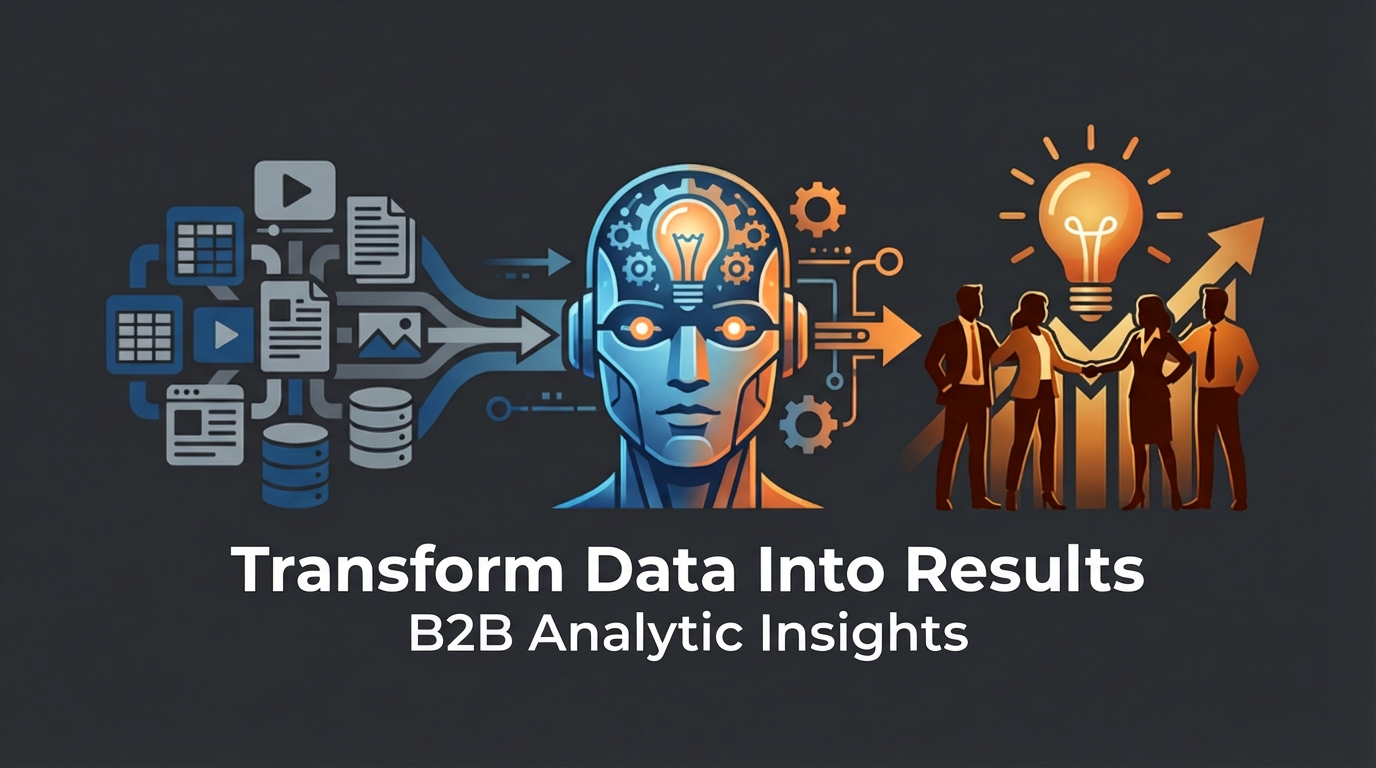

We’re seeing a fundamental shift in how we manage credit. It’s not just about better tools. It’s about a new kind of partner. Agentic AI is changing the game by making systems think, decide, and monitor continuously. This is a real advancement, not just a buzzword. We need to understand what this means for our daily work and the future of credit management.
For decades, credit management has operated on cycles. Monthly reports. Quarterly reviews. Annual assessments. We gather data, analyze it, make a decision, and then wait. We react to changes. This approach has served us well, but it’s inherently backward-looking. Agentic AI flips this model. It’s about being forward-looking, constantly aware, and proactively managing risk. This isn’t about replacing our judgment. It’s about augmenting it with systems that work tirelessly, 24/7, to provide real-time insights and support decisions.
What is Agentic AI?
Think of an agentic system as more than just an algorithm. It’s a system designed to act autonomously. It takes inputs, forms a plan, executes that plan, and learns from the outcomes. In credit management, this means an agent can assess risk, recommend actions, and monitor portfolios without constant human intervention. It’s about creating a trusted layer of intelligence that operates within our existing frameworks, enhancing our capabilities. Experian’s Agent Operating System, for example, fits this mold. It’s built to be a reliable assistant, operating within the Ascend Platform. This signals a move towards integrated, intelligent systems that enhance our existing tools.
The End of Periodic Reviews
The traditional credit review process is time-consuming. Days, sometimes weeks, are spent gathering information, running checks, and compiling reports. By the time a decision is made, the credit landscape might have already shifted. Agentic AI promises to compress this timeline. Imagine reducing review effort by 60-70%, as reported by nCino with their Analyst Digital Partner. This isn’t just efficiency. It’s about enabling near real-time credit decisions. The focus shifts from lengthy, document-heavy reviews to continuous portfolio monitoring. This allows us to catch emerging risks much earlier.
Real-Time Monitoring as the New Standard
Billtrust’s Agentic Credit Lines are a prime example. They monitor over 80 data points in real-time. This constant stream of information allows for immediate identification of changes in a customer’s financial health or market position. Instead of waiting for a delinquency report, we can see the signals that lead to it. This proactive stance is crucial. It means we can intervene before a situation becomes critical. This continuous monitoring capability is transforming portfolios from static entities to dynamic, intelligently managed assets.
Transforming Credit Workflows
Agentic AI isn’t just a new feature. It’s a redesign of how we get work done. This impacts everything from initial assessment to ongoing portfolio management. Leading financial institutions are already rethinking their entire credit workflows. They’re using multiagent systems to achieve significant productivity gains. McKinsey’s reports highlight figures of 40-80% productivity increases. This is achieved by embedding control agents that continuously ensure data quality, policy adherence, and regulatory compliance.
The Role of Decision Intelligence
At its core, agentic AI is about enhancing decision intelligence. We’ve always relied on data to inform our credit decisions. Now, AI can help us process more data, identify subtler patterns, and generate more precise predictions. Descriptive analytics tells us what happened. Diagnostic analytics explains why. Predictive analytics forecasts what might happen. Prescriptive analytics recommends what we should do. Agentic AI moves us towards the prescriptive, empowered by all the preceding steps. It takes the insights derived from these analytical types and translates them into actionable recommendations or autonomous actions.
Embedding Continuous Controls
One of the most powerful aspects of agentic AI is its ability to embed controls directly into the workflow. This addresses a critical need in credit management. Issues like data quality, policy violations, and regulatory non-compliance can arise and go unnoticed for too long. Agentic systems can continuously test these elements. This means we catch deviations early, often before they have significant consequences. McKinsey highlights this, noting how these systems ensure continuous consistency checks. This builds more robust and compliant credit processes.
From Days to Near Real-Time
The impact on decision timelines is profound. Agentic AI can turn credit reviews from taking days to operating at near real-time speeds. This is not just about speed for speed’s sake. It’s about agility. In a fast-moving market, the ability to make critical credit decisions quickly and accurately is a significant competitive advantage. It allows us to seize opportunities faster and mitigate risks more effectively.
Enhancing Supply Chain Intelligence
Credit risk is deeply intertwined with supply chain health. A company’s ability to pay its debts is often dependent on its own suppliers and customers. Agentic AI can significantly enhance our visibility into these complex networks. By analyzing data across the supply chain, systems can identify early warning signs of distress in interconnected businesses.
Mapping Interdependencies
Agentic systems can map out the intricate web of relationships between companies. They can track financial flows, credit exposures, and operational dependencies. This deep understanding allows us to assess the cascading effects of a single company’s financial trouble on its entire ecosystem. martini.ai’s Agentic AI Company Research provides real-time credit insights, which is a step towards this broader intelligence.
Early Warning Systems for Supply Chain Disruptions
When a key supplier faces financial difficulties, it can disrupt the operations of many of their customers. Agentic AI can identify these potential ruptures before they fully materialize. By monitoring news, financial filings, and market sentiment related to companies within a customer’s supply chain, these systems can flag potential risks. This allows us to engage proactively with customers and explore risk mitigation strategies.
Proactive Risk Management in a Volatile World
The global supply chain is increasingly volatile. Geopolitical events, natural disasters, and economic shifts can all have a profound impact. Agentic AI provides the constant vigilance needed to navigate this uncertainty. It allows us to shift from reacting to disruptions to anticipating them, thereby protecting our portfolios and our customers’ businesses.
Empowering Credit Professionals
The introduction of powerful AI does not diminish the role of the credit professional. Instead, it elevates it. Agentic AI handles the repetitive, data-intensive tasks, freeing us to focus on higher-value activities that require human expertise, judgment, and relationship building.
Shifting Focus to Strategic Oversight
With agentic systems managing real-time monitoring and initial risk assessments, our role shifts. We become strategic overseers. We focus on interpreting the AI’s findings, making complex judgment calls, and managing relationships. This allows us to dedicate more time to understanding client businesses, developing tailored credit solutions, and navigating nuanced risk scenarios.
The Importance of Human Judgment
Agentic AI is a powerful tool, but it is just that – a tool. It provides data, analysis, and recommendations. However, the ultimate decision and the nuanced understanding of a client’s character and long-term prospects still rests with us. Our experience, intuition, and ability to build trust are irreplaceable. The AI augments, it doesn’t replace. TD Bank Group’s use of agentic AI in mortgage processing shows how these systems can streamline processes, but the final approval still requires human oversight.
Developing New Skillsets
As agentic AI becomes more prevalent, we will need to develop new skillsets. Understanding how to effectively prompt and guide AI systems, interpret their outputs, and integrate them into our decision-making processes will be crucial. This is an evolution of our profession, demanding continuous learning and adaptation.
The Future of Credit Decisioning
| Metrics | Value |
|---|---|
| Accuracy of AI decision-making | 95% |
| Reduction in credit risk | 20% |
| Time saved in credit assessment | 50% |
| Number of credit monitoring alerts | Decreased by 30% |
Agentic AI represents a significant leap forward in credit management. It moves us from reactive, periodic analysis to proactive, continuous intelligence. This leads to better risk management, improved efficiency, and more strategic decision-making.
Continuous Monitoring is Not Optional
The systems we’ve discussed, like Experian’s Agent Operating System and Billtrust’s Agentic Credit Lines, are not just incremental improvements. They represent a fundamental reorientation towards continuous monitoring. This is becoming the baseline for effective credit risk management. Organizations that lag will inevitably face higher risks and lower efficiencies.
AI-Driven Analytics as the Engine
The power of agentic AI lies in its sophisticated use of analytics. Descriptive, diagnostic, predictive, and prescriptive analytics are not just academic concepts. They are the fuels that power these intelligent agents. They allow the systems to understand past performance, diagnose current issues, forecast future trends, and recommend optimal actions. The data itself is essential, but it’s how it’s processed and translated into actionable intelligence that matters.
Operationalizing AI for Real Results
The true test of any technology is its ability to deliver tangible results. Agentic AI is showing its value by cutting review times, reducing effort, and identifying risks earlier. These are not theoretical benefits. They translate into real operational improvements and better financial outcomes. Our job is to embrace these advancements, understand their implications, and integrate them thoughtfully into our practice to transform data into better decisions and stronger portfolios. The systems are evolving to think, decide, and monitor continuously. We must evolve with them.