
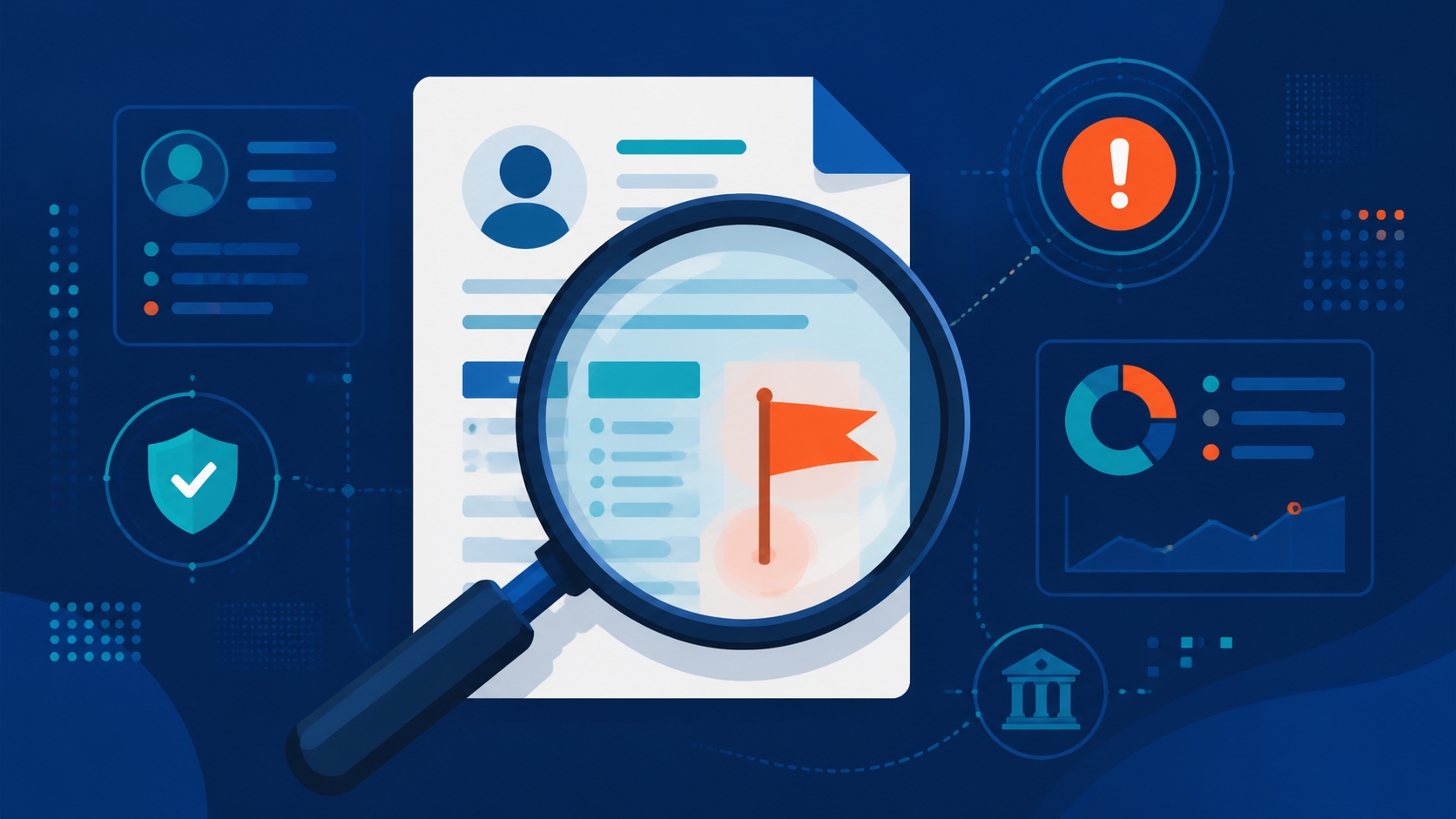
Most fraud conversations start at the firewall. They should start at the income statement. A fraudulent counterparty does not only breach a system. It takes goods, services, or credit, and it leaves a loss that lands on the profit line and the cash flow statement. In financial services, where transaction volume is enormous and the margin on each transaction is thin, fraud is a financial exposure problem before it is a technology problem.
Why milliseconds are a financial variable
The longer a fraudulent pattern runs before it is caught, the larger the loss. That single fact turns detection speed into a financial number, not a technical one. A wire that leaves in seconds is gone. A mule account that operates for a week compounds. The cost of fraud is a function of time, and time is the one thing a manual review process cannot compress.
This is why the speed question matters so much. Every hour between the first signal and the intervention is money that either stays on the books or leaves it.
What the risk data is telling us
The external picture reinforces the point. The Allianz Risk Barometer for 2026 places cyber incidents and artificial intelligence among the top global business risks. The Federal Reserve 2026 Risk Officer Report notes that wire fraud remained elevated, with scams, account takeover, and mule activity contributing to the exposure. The pattern is clear. Fraud is industrializing, and it is moving at machine speed.
A single institution sees only its own transaction history. It cannot see that the same entity just attempted the same scheme at three other firms. That is the gap external insights fill. Entity verification and confirmed high-risk entity data, such as the signals carried in a fraud risk network built from thousands of confirmed cases, let one firm see what the market already knows.
The four questions a fraud system must answer
Before any analytics model matters, the system has to answer four questions. Who are we dealing with. Is the entity real. Are we allowed to do business with them. And what has changed since the last decision. Those are not technology questions. They are decision questions, and they belong at the front of the workflow, before credit, before onboarding, before the relationship begins.
The race with the machine
Here is the honest version of the AI story in fraud. The machine is faster than any team at pattern detection. It can scan transactions in milliseconds and flag the anomalies that a human would never catch at scale. That is a genuine advantage, and it is the advantage the bad actors are already using against us.
But detection is not the decision. The model flags. The human decides. Someone has to own the response, the customer conversation, the recovery path, and the relationship that may or may not survive a false positive. AI is the tool. The accountability stays with the team. The race with the machine is won by organizations that let the machine carry the baseline, the scanning and the flagging, so their people can spend their time on the judgment the machine cannot make.
What to do
Start by putting entity verification and screening at the front of the workflow, not the back. Combine your internal knowledge, your transaction history and your relationship memory, with external insights, the confirmed fraud signals and payment patterns the market can see. Then shorten the loop between a flag and a decision, because in fraud, the clock is the loss.
Internal Knowledge + External Insights = Competitive Intelligence. That is your Decision Intelligence Framework.