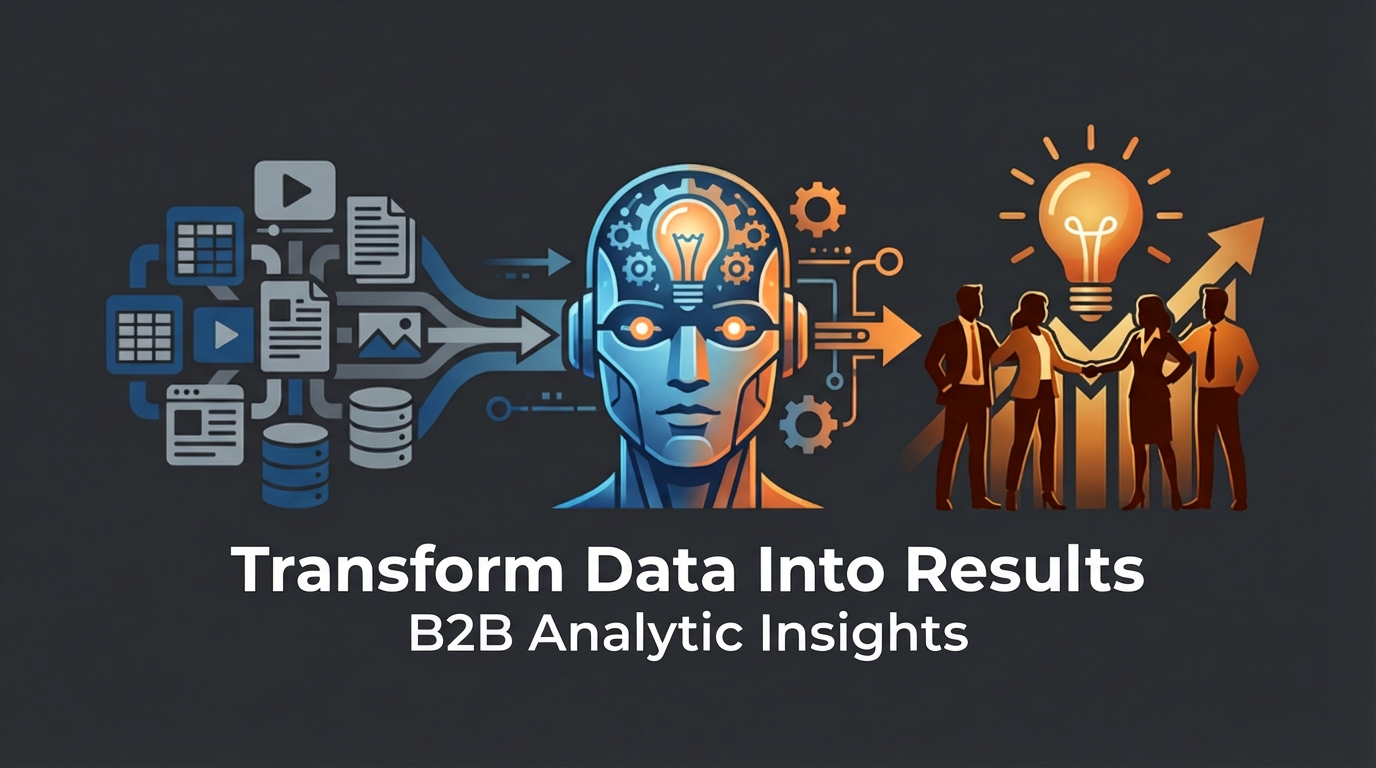

Predictive analytics is the practice of using historical data, statistical algorithms, and machine learning techniques to make predictions about future events or outcomes. In the context of finance, predictive analytics is used to forecast financial trends, identify potential risks, and make informed decisions. It plays a crucial role in helping financial institutions and businesses gain a competitive edge by leveraging data-driven insights.
In this blog post, we will explore the importance of predictive analytics in finance and discuss various techniques and tools that can be used for financial forecasting. We will also delve into the role of machine learning and big data in predictive analytics, as well as the challenges and best practices associated with implementing predictive models in the finance industry. Finally, we will examine real-world case studies that demonstrate the successful application of predictive analytics in finance and discuss the future trends and opportunities in this field.
Key Takeaways
- Predictive analytics is a powerful tool for financial forecasting in the finance industry.
- Forecasting is crucial for financial planning and decision-making in finance.
- Key predictive analytics techniques for financial forecasting include time series analysis, regression analysis, and decision trees.
- Machine learning can be leveraged to improve financial predictions by identifying patterns and making accurate predictions.
- Big data plays a critical role in financial forecasting by providing large amounts of data for analysis and prediction.
Understanding the Importance of Forecasting in Finance
Forecasting is the process of estimating or predicting future events or outcomes based on historical data and statistical models. In finance, forecasting is essential for making informed decisions, managing risks, and planning for the future. By analyzing past trends and patterns, financial professionals can gain insights into market conditions, customer behavior, and economic factors that can impact their business.
Financial forecasting is used in various areas of finance, including budgeting, sales forecasting, cash flow management, investment analysis, risk assessment, and strategic planning. For example, a company may use financial forecasting to predict its future sales and revenue growth, which can help them allocate resources effectively and make investment decisions. Similarly, investors may use financial forecasting to predict stock prices or market trends to make informed investment decisions.
Key Predictive Analytics Techniques for Financial Forecasting
There are several predictive analytics techniques that can be used for financial forecasting. These techniques involve analyzing historical data to identify patterns and relationships that can be used to make predictions about future events. Some of the key techniques used in financial forecasting include:
1. Regression analysis: Regression analysis is a statistical technique that examines the relationship between a dependent variable and one or more independent variables. It is commonly used in finance to predict the value of a dependent variable based on the values of independent variables. For example, a company may use regression analysis to predict its future sales based on factors such as advertising expenditure, market size, and consumer demographics.
2. Time series analysis: Time series analysis is a statistical technique that analyzes data collected over time to identify patterns and trends. It is widely used in finance to forecast future values based on historical data. For example, a financial analyst may use time series analysis to predict stock prices based on historical price data.
3. Decision trees: Decision trees are a machine learning technique that uses a tree-like model to make decisions or predictions. They are commonly used in finance for credit scoring, fraud detection, and customer segmentation. Decision trees are particularly useful for handling large datasets with complex relationships.
4. Neural networks: Neural networks are a type of machine learning algorithm that is inspired by the structure and function of the human brain. They are used in finance for tasks such as stock price prediction, risk assessment, and fraud detection. Neural networks can learn from large amounts of data and identify complex patterns that may not be apparent to human analysts.
Leveraging Machine Learning for Financial Predictions
Machine learning is a subset of artificial intelligence that focuses on developing algorithms and models that can learn from data and make predictions or decisions without being explicitly programmed. In finance, machine learning techniques are increasingly being used to analyze large datasets and make accurate predictions about financial trends and outcomes.
One of the main advantages of using machine learning in finance is its ability to handle large amounts of data and identify complex patterns that may not be apparent to human analysts. Machine learning algorithms can analyze vast amounts of financial data, including market data, customer data, and economic indicators, to identify trends and make predictions. This can help financial institutions and businesses gain a competitive edge by making more informed decisions and identifying potential risks.
There are several examples of machine learning being used in finance. For example, machine learning algorithms can be used to predict stock prices based on historical price data and other relevant factors. They can also be used to assess credit risk by analyzing customer data and identifying patterns that indicate the likelihood of default. Machine learning algorithms can also be used for fraud detection by analyzing transaction data and identifying suspicious patterns or anomalies.
The Role of Big Data in Financial Forecasting
Big data refers to large and complex datasets that cannot be easily managed or analyzed using traditional data processing techniques. In finance, big data plays a crucial role in predictive analytics by providing access to vast amounts of structured and unstructured data that can be used to make accurate predictions and informed decisions.
The importance of big data in finance lies in its ability to provide insights into customer behavior, market trends, and economic factors that can impact financial outcomes. By analyzing large datasets, financial institutions and businesses can gain a deeper understanding of their customers’ needs and preferences, identify emerging market trends, and make more accurate predictions about future events.
There are several examples of big data being used in finance. For example, financial institutions can analyze customer transaction data to identify patterns that indicate potential fraud or money laundering activities. They can also analyze social media data to gain insights into customer sentiment and preferences. In addition, financial analysts can analyze economic indicators such as GDP growth, inflation rates, and interest rates to make predictions about market conditions and investment opportunities.
Building Effective Predictive Models for Financial Forecasting

Building effective predictive models for financial forecasting involves several steps, including data preparation, model selection, model evaluation, and model deployment.
1. Data preparation: Data preparation is a crucial step in building predictive models as it involves cleaning and transforming the data to ensure its quality and suitability for analysis. This may involve removing duplicate or irrelevant data, handling missing values, and transforming variables to make them suitable for analysis.
2. Model selection: Model selection involves choosing the most appropriate predictive model for the given problem and dataset. This may involve comparing different models based on their performance metrics, such as accuracy, precision, recall, and F1 score. The choice of model will depend on the specific requirements of the problem and the available data.
3. Model evaluation: Model evaluation involves assessing the performance of the predictive model using appropriate evaluation metrics. This may involve splitting the data into training and testing sets, and evaluating the model’s performance on the testing set. Common evaluation metrics for predictive models include accuracy, precision, recall, F1 score, and area under the receiver operating characteristic curve (AUC-ROC).
4. Model deployment: Model deployment involves implementing the predictive model in a production environment and using it to make predictions or decisions. This may involve integrating the model with existing systems or applications, monitoring its performance, and updating it as new data becomes available.
Common Challenges Faced in Predictive Analytics for Finance
Implementing predictive analytics in finance can be challenging due to several factors, including data quality, lack of domain expertise, overfitting, and interpretability.
1. Data quality: Data quality is a critical factor in predictive analytics as inaccurate or incomplete data can lead to unreliable predictions. Financial institutions and businesses need to ensure that their data is accurate, complete, and up-to-date before using it for analysis.
2. Lack of domain expertise: Predictive analytics in finance requires a deep understanding of financial markets, products, and regulations. Lack of domain expertise can lead to incorrect assumptions or models that are not suitable for the specific requirements of the finance industry.
3. Overfitting: Overfitting occurs when a predictive model performs well on the training data but fails to generalize to new, unseen data. This can happen when the model is too complex or when there is not enough data to train the model effectively. Overfitting can lead to inaccurate predictions and unreliable models.
4. Interpretability: Predictive models in finance need to be interpretable so that financial professionals can understand and trust the predictions. Black-box models, such as neural networks, may provide accurate predictions but lack interpretability, making it difficult to understand the underlying factors or variables that contribute to the predictions.
Case Studies: Successful Applications of Predictive Analytics in Finance
There are several successful applications of predictive analytics in finance that demonstrate its effectiveness in improving decision-making and financial outcomes. Some of these case studies include:
1. Fraud detection: Financial institutions use predictive analytics to detect and prevent fraudulent activities. By analyzing transaction data and customer behavior patterns, predictive models can identify suspicious activities and alert the institution to potential fraud.
2. Credit risk assessment: Predictive analytics is used in credit risk assessment to predict the likelihood of default or delinquency. By analyzing customer data, such as credit history, income, and employment status, predictive models can assess the creditworthiness of individuals or businesses and make informed decisions about lending.
3. Stock price prediction: Predictive analytics is used in stock price prediction to forecast future stock prices based on historical price data and other relevant factors. By analyzing market trends, economic indicators, and company-specific information, predictive models can help investors make informed decisions about buying or selling stocks.
4. Customer churn prediction: Predictive analytics is used in customer churn prediction to identify customers who are likely to cancel their subscriptions or switch to a competitor. By analyzing customer behavior patterns, such as usage patterns, purchase history, and customer feedback, predictive models can help businesses identify at-risk customers and take proactive measures to retain them.
The Future of Predictive Analytics in Finance
The future of predictive analytics in finance is promising, with several emerging trends and opportunities for innovation. Some of the key trends in predictive analytics include:
1. Advanced machine learning techniques: As machine learning algorithms continue to evolve, we can expect to see more advanced techniques being used in finance. This includes deep learning, reinforcement learning, and natural language processing, which can help financial institutions and businesses gain deeper insights from their data and make more accurate predictions.
2. Real-time analytics: With the increasing availability of real-time data, financial institutions and businesses can leverage real-time analytics to make faster and more informed decisions. Real-time analytics can help identify emerging market trends, detect fraud in real-time, and optimize trading strategies.
3. Integration with other technologies: Predictive analytics is likely to be integrated with other emerging technologies, such as blockchain, Internet of Things (IoT), and cloud computing. This integration can help financial institutions and businesses leverage the power of these technologies to improve data security, automate processes, and gain a competitive edge.
4. Ethical considerations: As predictive analytics becomes more prevalent in finance, there will be a greater focus on ethical considerations, such as data privacy, bias in algorithms, and transparency. Financial institutions and businesses will need to ensure that their predictive models are fair, transparent, and comply with regulatory requirements.
Best Practices for Leveraging Predictive Analytics in Financial Forecasting
To effectively leverage predictive analytics in financial forecasting, financial institutions and businesses should follow some best practices:
1. Define clear objectives: Clearly define the objectives of the predictive analytics project and identify the specific business problems or questions that need to be addressed. This will help guide the data collection, analysis, and model development process.
2. Use high-quality data: Ensure that the data used for predictive analytics is accurate, complete, and relevant to the problem at hand. This may involve cleaning and transforming the data, handling missing values, and ensuring data privacy and security.
3. Choose appropriate techniques: Select the most appropriate predictive analytics techniques based on the specific requirements of the problem and the available data. This may involve comparing different techniques, such as regression analysis, time series analysis, decision trees, and neural networks, and selecting the one that best fits the problem.
4. Continuously monitor and improve models: Predictive models should be continuously monitored and evaluated to ensure their accuracy and effectiveness. This may involve updating the models as new data becomes available, retraining the models periodically, and evaluating their performance against predefined metrics.
Predictive analytics plays a crucial role in finance by helping financial institutions and businesses make informed decisions, manage risks, and plan for the future. By leveraging historical data, statistical algorithms, and machine learning techniques, predictive analytics can provide valuable insights into financial trends, customer behavior, and economic factors that can impact financial outcomes.
In this blog post, we explored the importance of predictive analytics in finance and discussed various techniques and tools that can be used for financial forecasting. We also delved into the role of machine learning and big data in predictive analytics, as well as the challenges and best practices associated with implementing predictive models in the finance industry. Finally, we examined real-world case studies that demonstrate the successful application of predictive analytics in finance and discussed the future trends and opportunities in this field.
As predictive analytics continues to evolve and become more prevalent in finance, it is important for financial professionals to embrace this technology and leverage its power to gain a competitive edge. By following best practices and continuously improving their predictive models, financial institutions and businesses can make more accurate predictions, mitigate risks, and make informed decisions that drive financial success.