
This is not a small ask. We all know the pressure. Getting paid. That’s the job. But getting paid by everyone, all the time, is a fantasy. We need to be smart. We need to focus where it counts. Where we can actually see results. Let’s talk about how we do that. How we make our collections effort work. For us. For our companies.
We’re not just chasing invoices. We are managing risk. We’re protecting our liquidity. We’re enabling our businesses to grow. This means understanding where potential problems lie before they become critical. This isn’t about finding every single dollar. It’s about finding the dollars that matter most. The dollars that are most likely to be recovered. With the least amount of wasted effort.
Why Early Intervention Wins
We’ve seen it for decades. The earlier we engage, the better our chances. When a payment is missed, that’s a signal. A weak signal, sometimes. But a signal nonetheless. Ignoring it lets it grow. It becomes a louder signal. A more expensive signal to fix. Waiting just makes things harder. It restricts our options. It increases our costs. This is a core tenet of credit risk management. It applies directly to collections.
The Power of Data, Not Guesswork
We used to rely on intuition. Experience. Sometimes that’s still valuable. But now, we have tools. We have data. We can move beyond just looking at who’s late. We can look at why they might be late. We can look at their history. Their payment patterns. Their business performance, if we can get it. This isn’t about overwhelming them with information. It’s about using information to guide our actions. To make our efforts more precise.
Segmenting for Success: Not All Delinquencies Are Equal
We often treat every late payment the same. That is a mistake. A costly mistake. Thousands of commercial entities don’t all behave identically. Their industries differ. Their financial health differs. Their reasons for being late differ. Our collections strategy needs to reflect this. We need to segment our accounts. We need to understand which ones require immediate, aggressive action. And which ones might need a softer touch. Or time to self-correct.
Predictive Scoring: Forecasting the Future
This is where predictive analytics shines. We can build models. These models look at historical data. They identify patterns associated with successful collections. And patterns associated with accounts that become unrecoverable. We assign scores. These scores tell us the probability of recovery. They tell us the risk of escalation. This helps us prioritize. It helps us allocate our resources. Instead of calling everyone, we call the right people. At the right time.
Identifying Self-Curing Accounts
Not every account that misses a payment is in deep trouble. Sometimes it’s a temporary cash flow blip. A seasonal downturn. Or an administrative error. Diagnostic analytics can help us understand why a payment was missed. Descriptive analytics can show us their usual payment behavior. If an account typically pays on time, and this is their first miss, and our diagnostics suggest a minor issue, perhaps they will cure themselves. We can monitor them. We can offer a gentle reminder. But we don’t need to launch a full-scale collections offensive. That saves us precious effort.
Risk Tiers: A Framework for Action
We can create risk tiers. Based on our predictive models. And diagnostic insights.
High-Risk Accounts: Immediate Escalation
These are accounts showing strong indicators of potential default. High predictive scores for non-payment. A history of late payments. Declining financial health signals. For these accounts, action is immediate. We deploy our most experienced collectors. We consider all available recovery tools. The goal is swift resolution. Before further deterioration.
Medium-Risk Accounts: Targeted Engagement
These accounts have some yellow flags. Not red ones. They might have a few late payments. Or a moderate predictive score. We still need to engage. But we can be more targeted. We use personalized communication. We explore payment plans. We offer support. Our goal is to keep them current. Or to get them back on track. This preserves the relationship where possible. It’s a balancing act.
Low-Risk Accounts: Monitoring and Gentle Nudges
These are accounts that are generally reliable. They might be a few days late. Or we identified a minor hiccup. We monitor them closely. We send automated reminders. Perhaps an email or a text. We want to be visible. Without being intrusive. We let them know we are here. And that payment is expected.
AI-Driven Analytics: Precision at Scale

We are talking about managing thousands of commercial entities. We cannot do this manually. We cannot rely on gut feeling alone. This is where artificial intelligence becomes essential. It’s not a magic wand. It’s a powerful engine. It processes vast amounts of data. It identifies subtle patterns. It refines our understanding. It makes our prioritization far more precise.
From Reactive to Proactive Collections
AI allows us to move beyond reactivity. We used to wait for the delinquency notice. Now, AI can flag potential issues before they become overdue. It can analyze leading indicators from financial statements. Or market data. This allows us to intervene proactively. To have conversations. To offer solutions. Before the payment is even missed. This is a significant shift. It’s effective. It’s also healthier for our customer relationships.
Optimizing Contact Strategies
AI doesn’t just tell us who to contact. It can inform how. Based on past interactions. And customer profiles. It can suggest the best communication channel. The best time of day. The best message to send. This personalization drives higher engagement. It increases the likelihood of a positive outcome. It reduces wasted call attempts. It makes our team more efficient.
Enhancing Recovery Rates
This is the tangible result. When we focus our efforts effectively. When we predict risk accurately. When we engage intelligently. Our recovery rates improve. AI-driven analytics don’t just cut costs. They drive revenue. They put more money back into the business. This is not theoretical. We see up to 25% average improvement in recovery rates. That’s significant.
Tailoring Communication: The Human Element in AI

AI gives us the insights. But collections is still a business of relationships. Even with commercial entities. We need to apply the human touch. The empathy. The authority when needed. The humility to understand their situation. Our AI insights should inform our communication. Not replace it.
Personalization is Now Expected
Gone are the days of form letters and generic scripts. Our debtors, like us, are savvy consumers of information. They expect their interactions to reflect their specific circumstances. Our AI can help us understand those circumstances. It can tell us their payment capacity. Their usual communication preferences. We use this to craft our message. To make it relevant. To make it impactful.
Flexible Payment Paths: A Realistic Approach
Rigid payment plans rarely work for long. Especially for businesses facing economic headwinds. AI can help us identify realistic payment capacities. Based on their financial data. And industry performance. We can then propose flexible paths. These align with their ability to pay. This doesn’t mean a free pass. It means working with them. To find a solution that gets us paid. And keeps their business viable. This avoids the common pitfall of setting unrealistic expectations. Which leads to further defaults.
Digital First, Supported by Human Insight
Modern collections demand digital self-service. Easy portals. Clear documentation. Secure payment options. These are no longer differentiators. They are table stakes. Our AI can guide us on which accounts will benefit most from digital engagement. And when a human conversation is necessary. This hybrid approach balances efficiency with effectiveness.
Continuous Improvement: Never Stop Learning
| Metrics | Data |
|---|---|
| Number of Delinquent Accounts | 350 |
| Percentage of Accounts with Payment Plans | 25% |
| Percentage of Accounts with Contact Information Updated | 60% |
| Success Rate of Collection Calls | 40% |
The economic landscape shifts. Customer behavior evolves. Our AI models need to learn. Our processes need to adapt. Collections are not a static function. They are dynamic. We must embed a culture of continuous improvement.
Monitoring Performance Metrics
We track our recovery rates. Our cost per dollar recovered. Our contact success rates. Our customer satisfaction scores, where applicable. These metrics tell us what is working. And what isn’t. We use descriptive analytics to understand our current state.
Diagnostic Analysis of Failures
When we don’t recover an account, we need to understand why. Was our prediction wrong? Was our communication ineffective? Was the customer’s situation truly unrecoverable? Diagnostic analytics helps us pinpoint these issues. This feedback loop is crucial.
Prescriptive Recommendations for Strategy
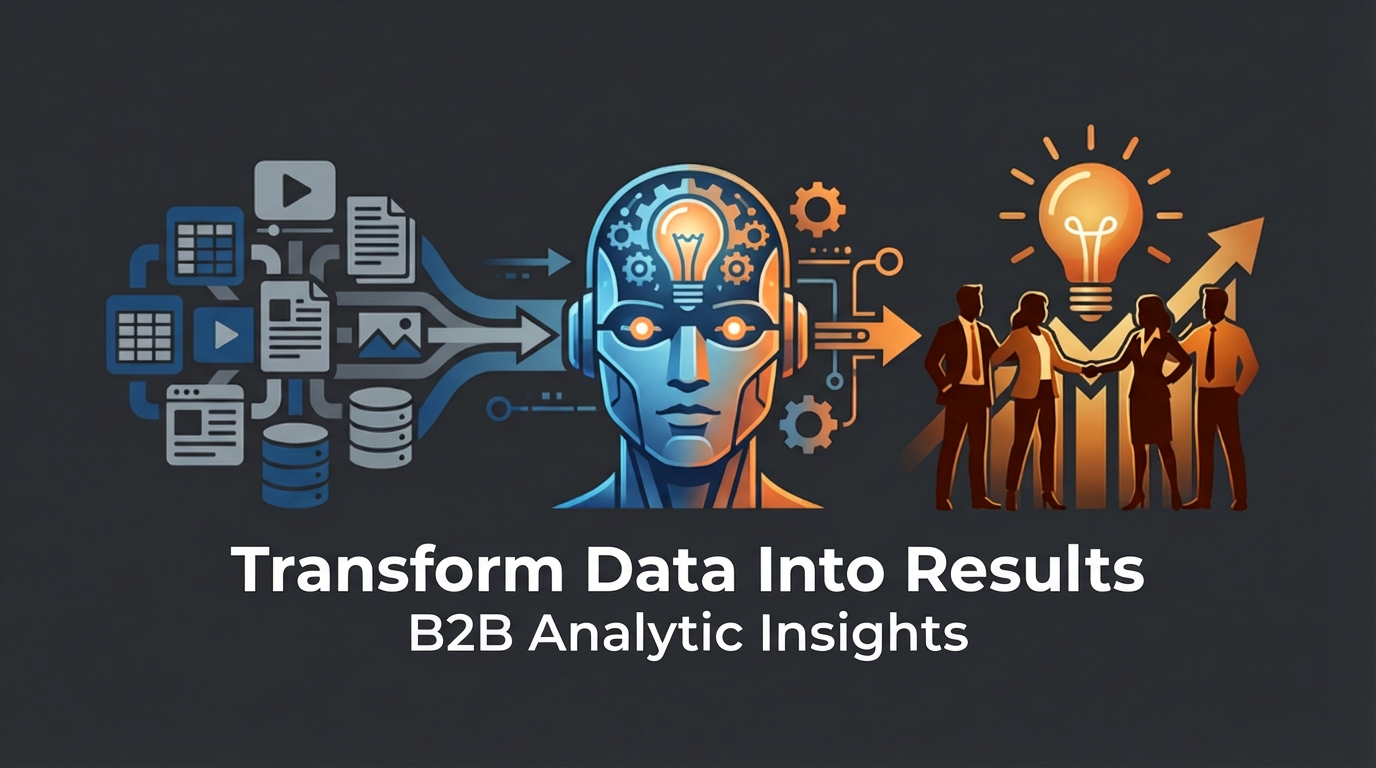
Based on our monitoring and diagnostics, we can make prescriptive changes. We can refine our AI models. We can adjust our segmentation criteria. We can develop new outreach strategies. This ensures our collections efforts remain sharp. Focused on where they will actually work. This is how we transform data into results. Consistently. Reliably. It’s a journey. One we take together.