
Credit limit setting is not an academic exercise. It is a fundamental decision shaping both portfolio health and customer relationships. For decades, our profession has refined this process. Yet, relying on intuition or rudimentary modeling alone now carries untenable risks. The landscape has shifted. We now operate in an environment where AI makes direct credit approval and limit decisions. A high score of 720 does not guarantee safety if advanced analytics detect hidden risks in spending patterns or behavioral anomalies. Banks monitor transactions with unprecedented tightness, driven by stringent regulations.
The stakes are higher. Automated limit increases, often algorithmically initiated, represent a significant portion of new credit. A 2025 study from King’s Business School and the Federal Reserve highlighted that 80% of U.S. credit limit hikes originate from bank-driven algorithms. These algorithms target indebted borrowers, adding substantial credit to the system and boosting revolving balances significantly. A third of unpaid balances today stem from these post-opening increases. This is not a theoretical problem; it impacts our bottom line and our customers’ financial well-being directly.
Moving forward requires a disciplined, data-driven approach. We must embrace the tools available to us. This is not about replacing human judgment entirely. It is about equipping ourselves with better insights to make superior decisions.
The Imperative of Decision Intelligence
Decades of experience teach us that a credit limit is a dynamic ceiling, not a static number. Setting it accurately demands genuine intelligence. This goes beyond simple credit scores or traditional financial statements. We must synthesize diverse data streams into actionable insights.
Understanding the Landscape
Our world is complex. Supply chains are interconnected and fragile. Geopolitical events ripple through markets instantly. A single data point holds limited value. We need to see the whole picture. Decision intelligence provides that clarity. It integrates credit risk metrics with external factors, allowing for a holistic view of exposure at any given moment. This intelligence transforms raw data into a strategic asset.
Data Informs, AI Empowers
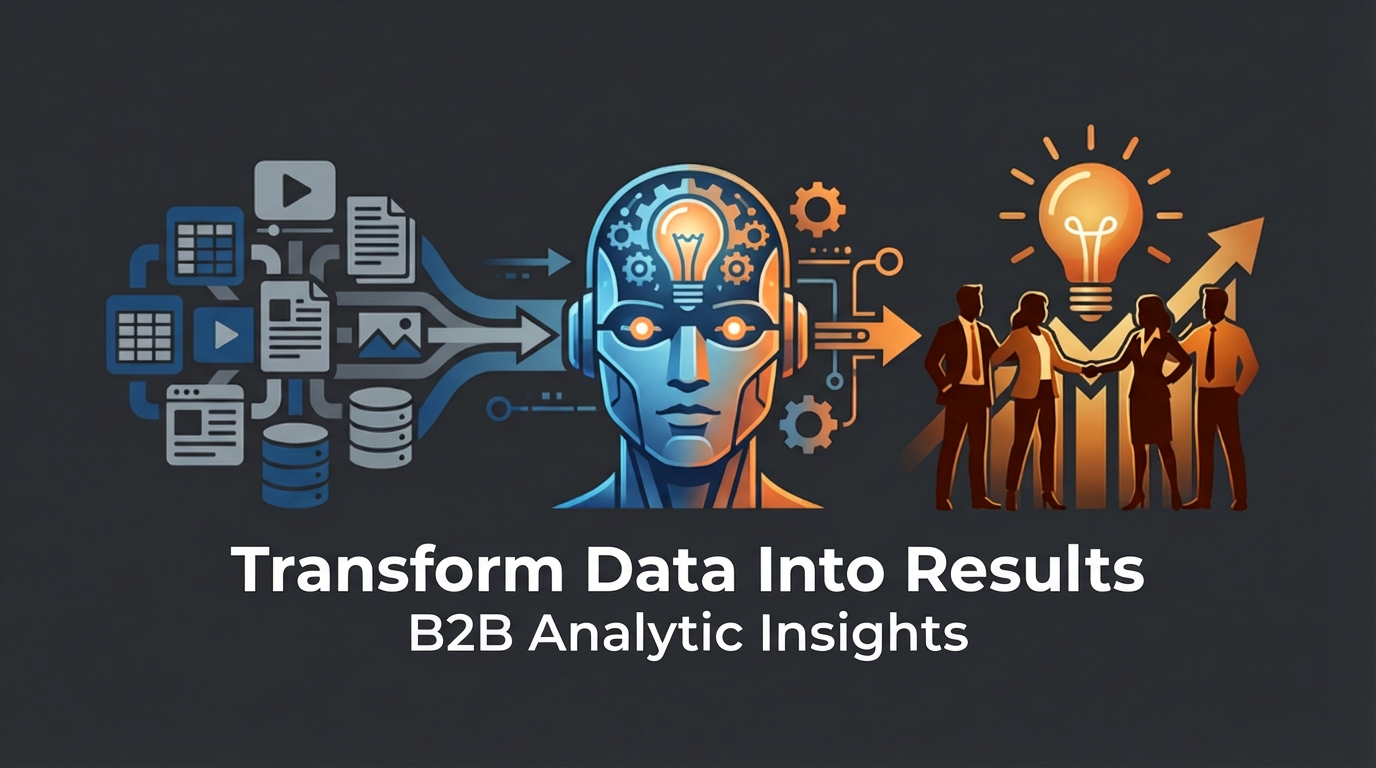
We transform data into results. AI-driven analytics are no longer futuristic concepts; they are operational necessities. These tools process vast quantities of information, identifying subtle patterns and correlations that human analysts might miss. They elevate our descriptive understanding to diagnostic clarity, then push us towards predictive accuracy and prescriptive action. This is how we move from reactive to proactive credit management.
The Foundation: Robust Credit Risk Assessment
A sound credit risk framework underpins everything. Without a deep understanding of counterparty risk, any limit becomes speculative. Our work here is foundational.
Beyond Traditional Scores
Credit scores provide a snapshot. They are a starting point, not the destination. Our assessment must delve deeper. We must scrutinize financial health, industry trends, and management quality. Our methods include reviewing cash flow, debt service coverage, and working capital cycles. These traditional metrics remain critical. They illustrate a borrower’s fundamental capacity to repay.
Incorporating Behavioral Analytics
Today’s credit risk extends to behavioral insights. AI systems now actively monitor transaction data. They detect early warning signs. Unusual spending patterns, shifts in payment behavior, or increased reliance on short-term credit reveal hidden risks. These are not anecdotal observations. They are statistically significant indicators. We must integrate these behavioral signals into our risk models. This goes beyond what a standard credit report can offer. It is about understanding the activity behind the numbers.
Deepening Insight with Supply Chain Intelligence
Credit limits for commercial entities are intrinsically linked to their operational realities. A customer’s ability to pay depends on their ability to operate. Supply chain health is a critical, often overlooked, component of credit risk.
Mapping Indirect Exposures
Our clients exist within complex supply chain ecosystems. A disruption upstream or downstream impacts their financial viability. We must understand these interdependencies. Who are their key suppliers? Who are their critical customers? What is their concentration risk? Mapping these relationships allows us to identify indirect exposures that traditional credit analysis misses.
Monitoring Operational Health
We monitor more than financial statements. We track operational data. This can include order fulfillment rates, inventory levels, and logistics network stability. Sudden changes in these metrics can presage financial distress. For example, consistent delays in receiving raw materials can quickly lead to production slowdowns and cash flow issues. Our AI-driven analytics can flag these operational anomalies, providing an early warning system. This is prescriptive analytics in action, guiding our decisions on limit adjustments.
The Power of AI-Driven Analytics
AI transforms how we analyze and decide. It provides a distinct advantage in a rapidly evolving market. We are not just collecting data; we are extracting actionable intelligence at scale.
Predictive Modeling for Future Performance
Our AI models move us beyond historical trends. They forecast future outcomes. We predict payment defaults, revenue volatility, and potential credit line drawdowns. These models are constantly learning, adapting to new data and market shifts. They employ sophisticated algorithms to identify non-obvious patterns. This predictive capability allows us to anticipate problems before they materialize. It enables proactive risk mitigation. We can adjust limits, offer alternative terms, or engage with customers before a crisis hits.
Prescriptive Actions for Optimal Limits
The ultimate goal is prescriptive analytics: telling us not just what might happen, but what we should do. AI recommends optimal credit limits. These recommendations consider multiple variables: internal credit scores, behavioral trends, market conditions, supply chain health, and even regulatory changes. The system weighs these factors, suggesting a limit that balances growth potential with risk containment. This allows us to make confident, data-backed decisions that drive better outcomes for thousands of commercial entities in our portfolio.
Continuous Adaptation and Feedback Loops
Our environment is not static. Our approach cannot be either. We must constantly refine our models and processes. This continuous learning is vital.
Real-time Monitoring and Adjustments
We employ real-time monitoring. Transactional data streams flow continuously into our AI systems. These systems identify deviations from established norms. For example, a significant increase in a customer’s debit activity, especially towards high-risk vendors, triggers an alert. Regulations now demand this granular oversight. Our systems are designed to meet this demand, providing both compliance and superior risk management.
Learning from Outcomes
Every decision we make provides new data. We analyze the outcomes of our credit limit adjustments. Did an automated increase lead to higher revolving balances or increased defaults? The 2025 study on algorithmic increases demonstrated the impact. We leverage this feedback to refine our AI models. Models learn from successes and failures, continuously improving their accuracy and predictive power. This creates a powerful, self-optimizing system. We adapt our strategies based on what the data tells us about real-world performance. This is how we ensure our models remain relevant and effective.
Setting credit limits without robust data and advanced analytics is unsustainable. The complexity of today’s financial landscape demands intelligence. Our approach integrates credit risk, supply chain insights, and AI-driven decision intelligence. This allows us to move beyond mere guessing. We transform data into results. We make informed, confident decisions that support both healthy growth and sound risk management across thousands of commercial entities. This is the path forward for our profession.